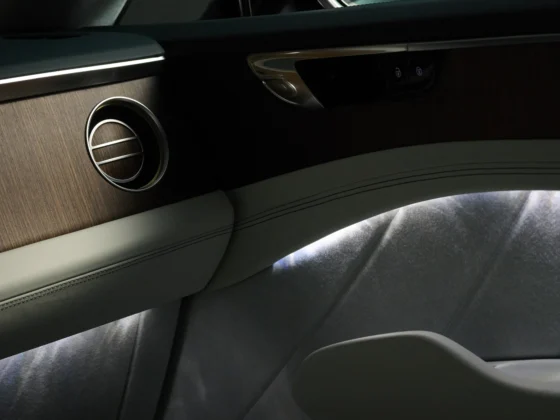
French hypercar marque Bugatti has revealed the extraordinary craftsmanship behind the analog instrument cluster of the new Bugatti Tourbillon, positioning it as a mechanical artwork within an already monumental automotive creation. Unlike modern hypercars dominated by digital interfaces, the Tourbillon embraces a fully analog cluster developed in collaboration with Swiss haute horlogerie manufacture Concepto. The result is a 650-component assembly that fuses centuries-old watchmaking traditions with contemporary automotive engineering.
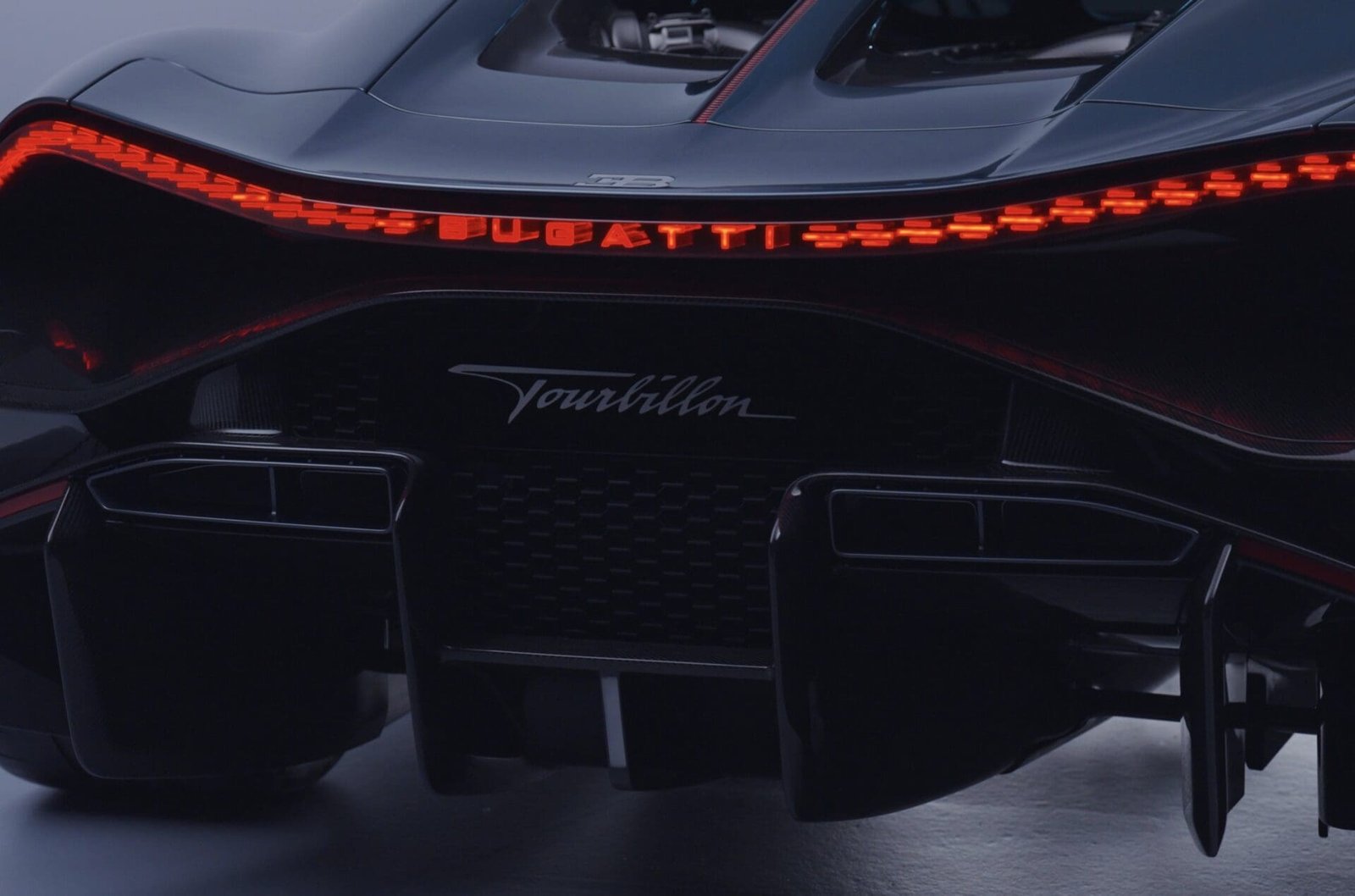
The Tourbillon’s name itself references the historic watchmaking invention patented in 1801 to counteract gravity’s effect on timekeeping. By choosing this designation, Bugatti underscores a philosophy rooted in mechanical permanence rather than transient digital technology. The instrument cluster embodies this ethos, designed not merely to function today but to remain relevant and admired decades into the future.
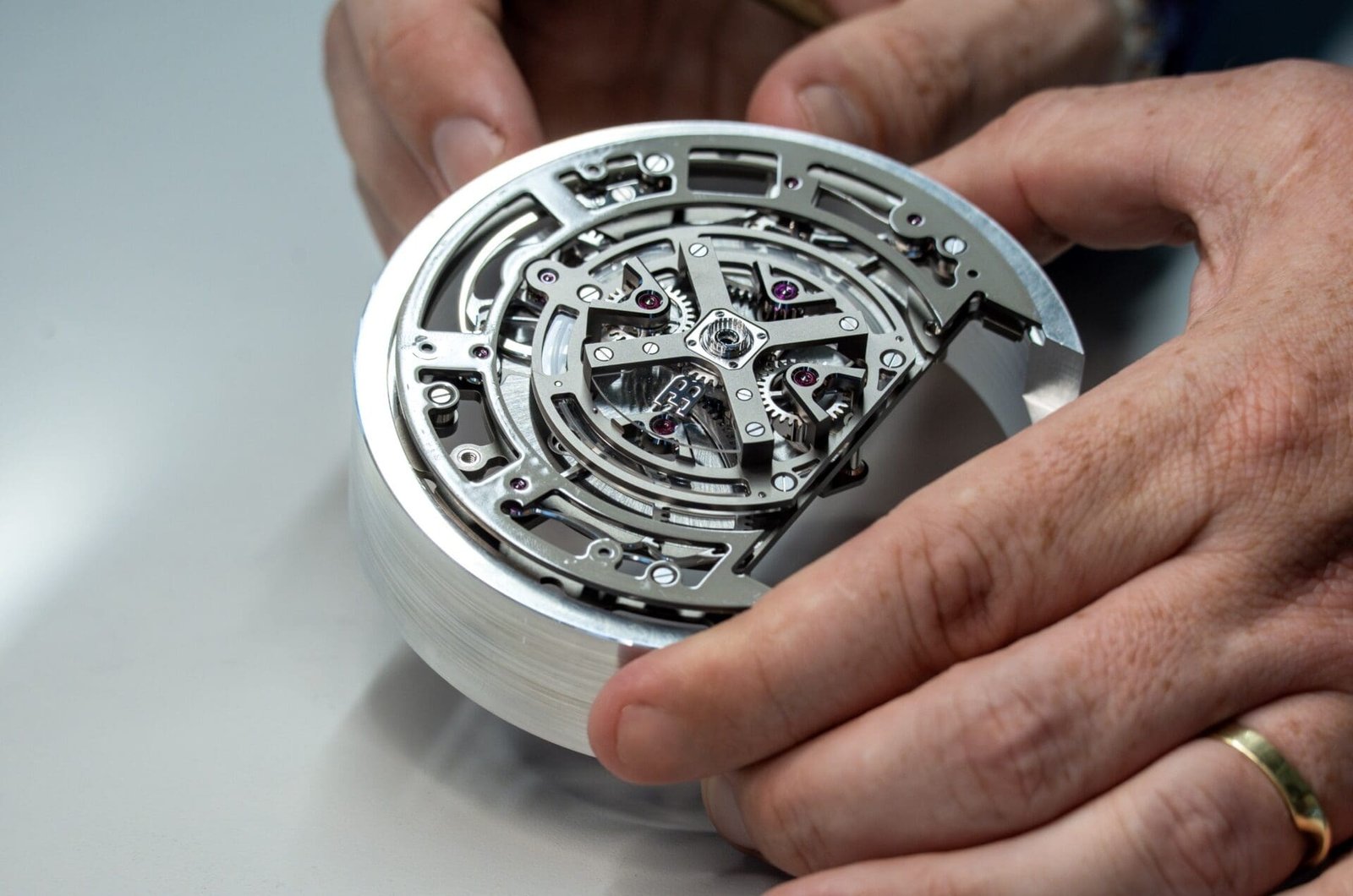
Hand-assembled at Concepto’s Swiss workshops, the cluster incorporates more than 650 individually crafted components. Traditional finishing techniques typical of the finest timepieces are applied at automotive scale, requiring the development of entirely new manufacturing tools. Despite the size difference compared to wristwatches, the standards of guilloché, polishing and structural detailing remain uncompromised.
Clients may select decorative finishes such as Clous de Paris, radial guilloché, tapestry and engine-turned motifs that reference Bugatti’s heritage. Highly exclusive materials, including Aventurine and gem-set accents, further elevate the instrument module. Functional rubies serve as bearing jewels to reduce friction within the mechanical structures, while sapphire crystal and skeletonised elements reinforce the horological character.
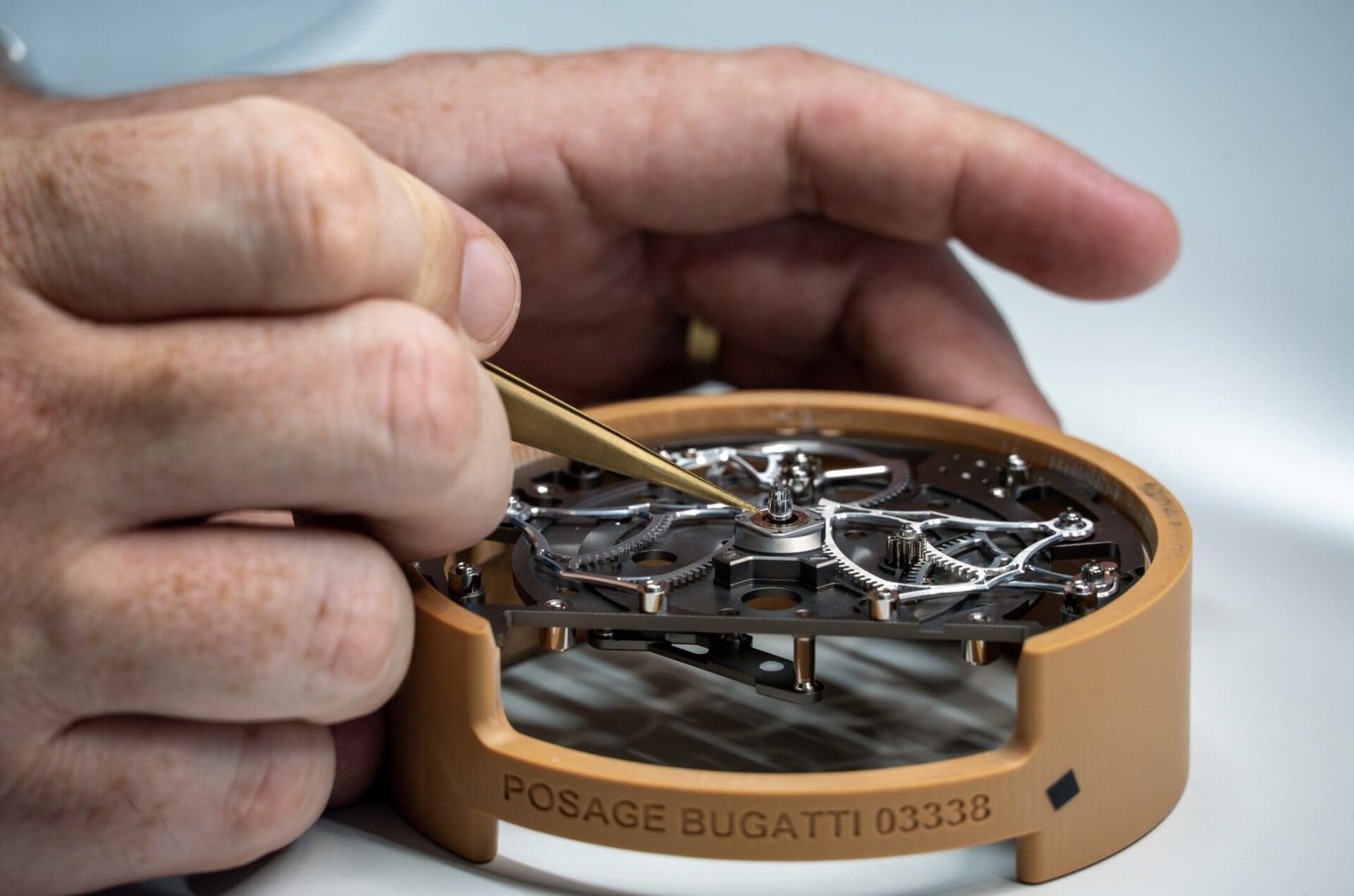
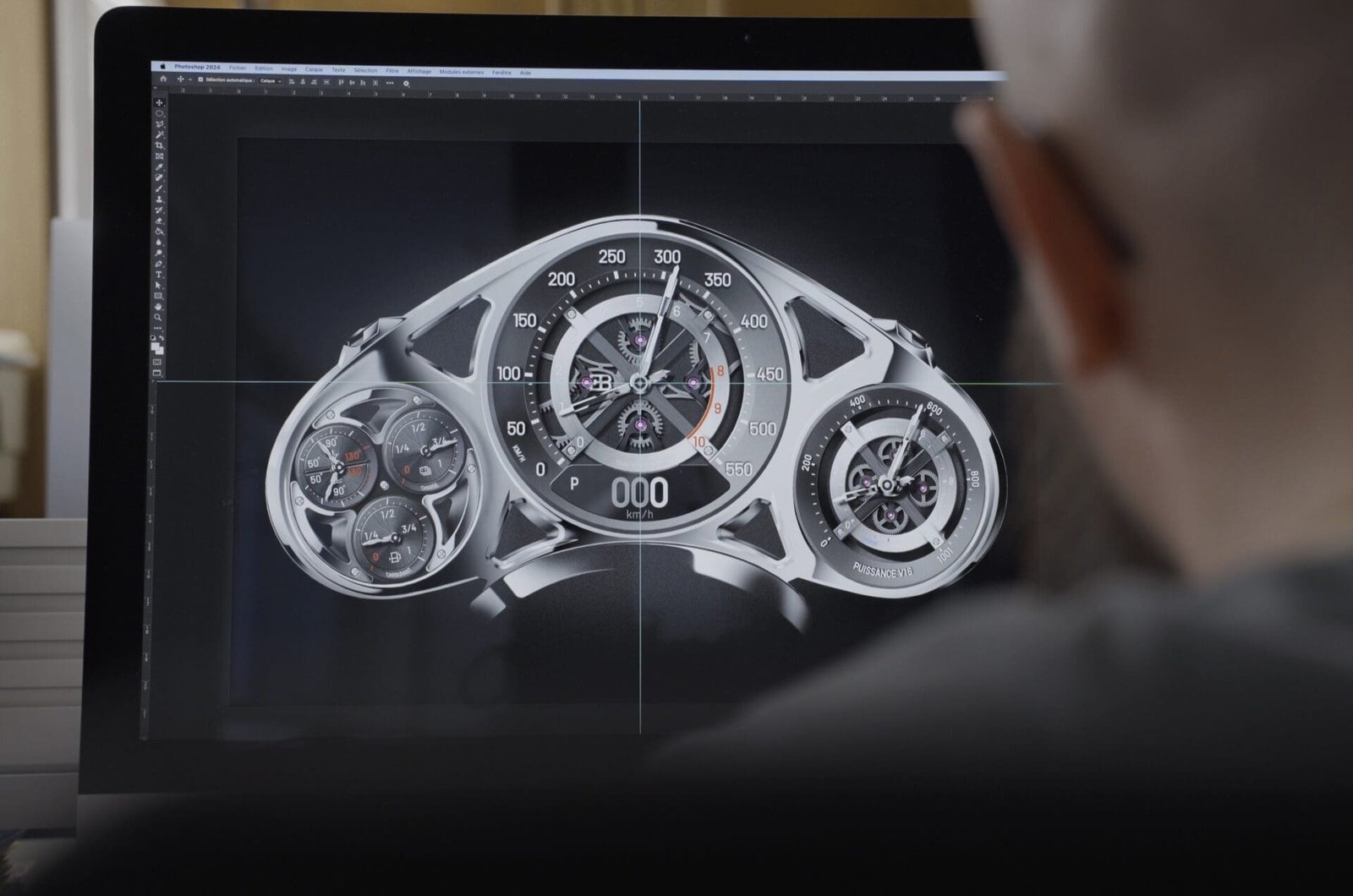
Integrating automotive electronics within a traditionally mechanical assembly presented formidable challenges. LEDs, printed circuit boards and performance-driven components had to coexist seamlessly with watchmaking architecture. The gears were specially engineered for the Tourbillon, making them unique to this hypercar and ensuring precise synchronization between mechanical displays and high-performance vehicle data.
The fixed-hub steering wheel architecture further amplifies the visual impact of the cluster. As the rim rotates independently around the stationary centre, the instrument panel remains constantly visible and unobstructed. This structural decision places the cluster at the heart of the driving experience, transforming it into both functional interface and aesthetic focal point.
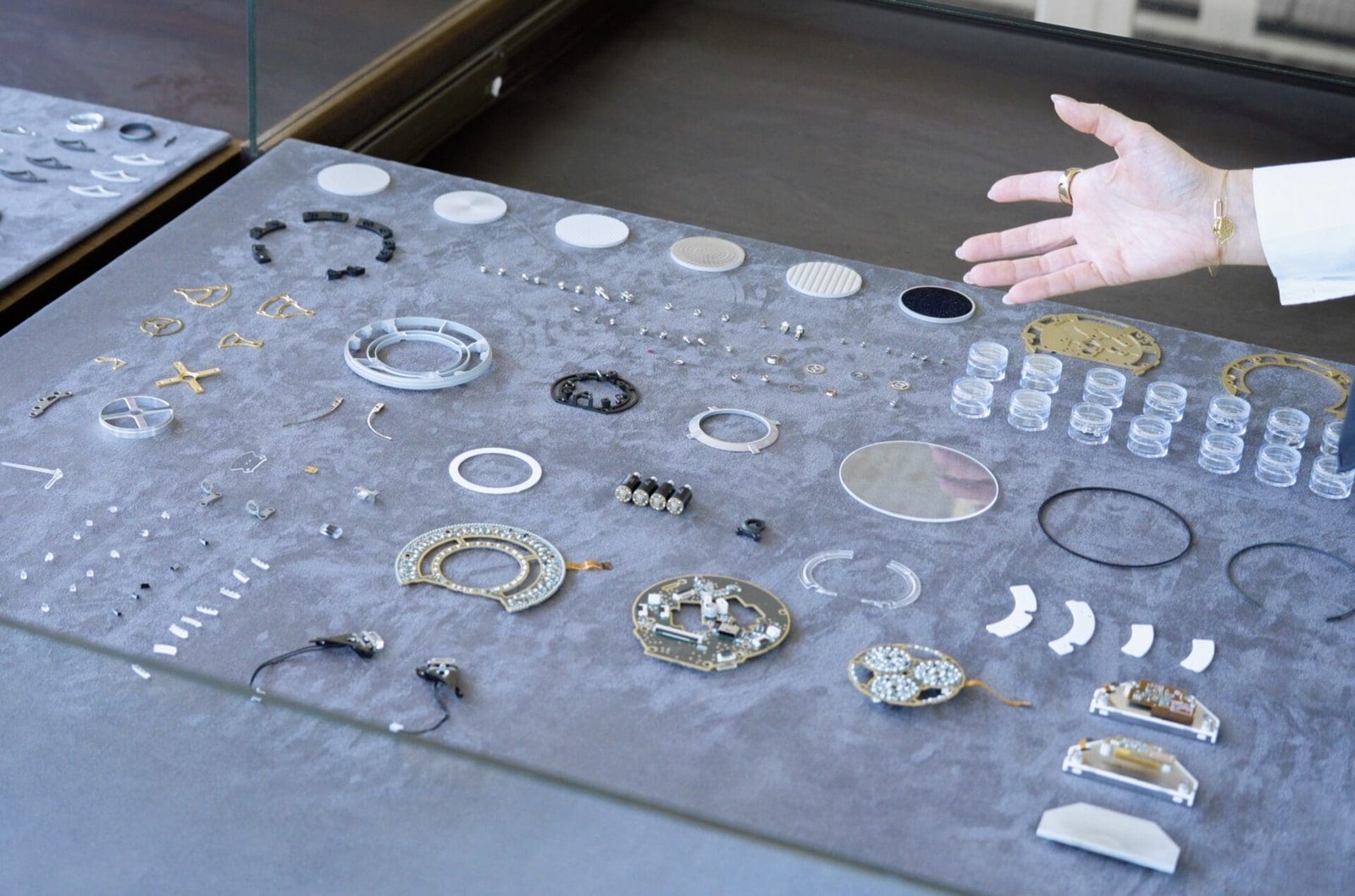
By combining haute horlogerie artistry with modern engineering demands, Bugatti redefines personalization within the hypercar segment. Owners can configure finishes, materials and detailing in much the same way one might commission a bespoke timepiece. The Bugatti Tourbillon’s instrument cluster stands not simply as a dashboard, but as a mechanical monument to timeless craftsmanship.