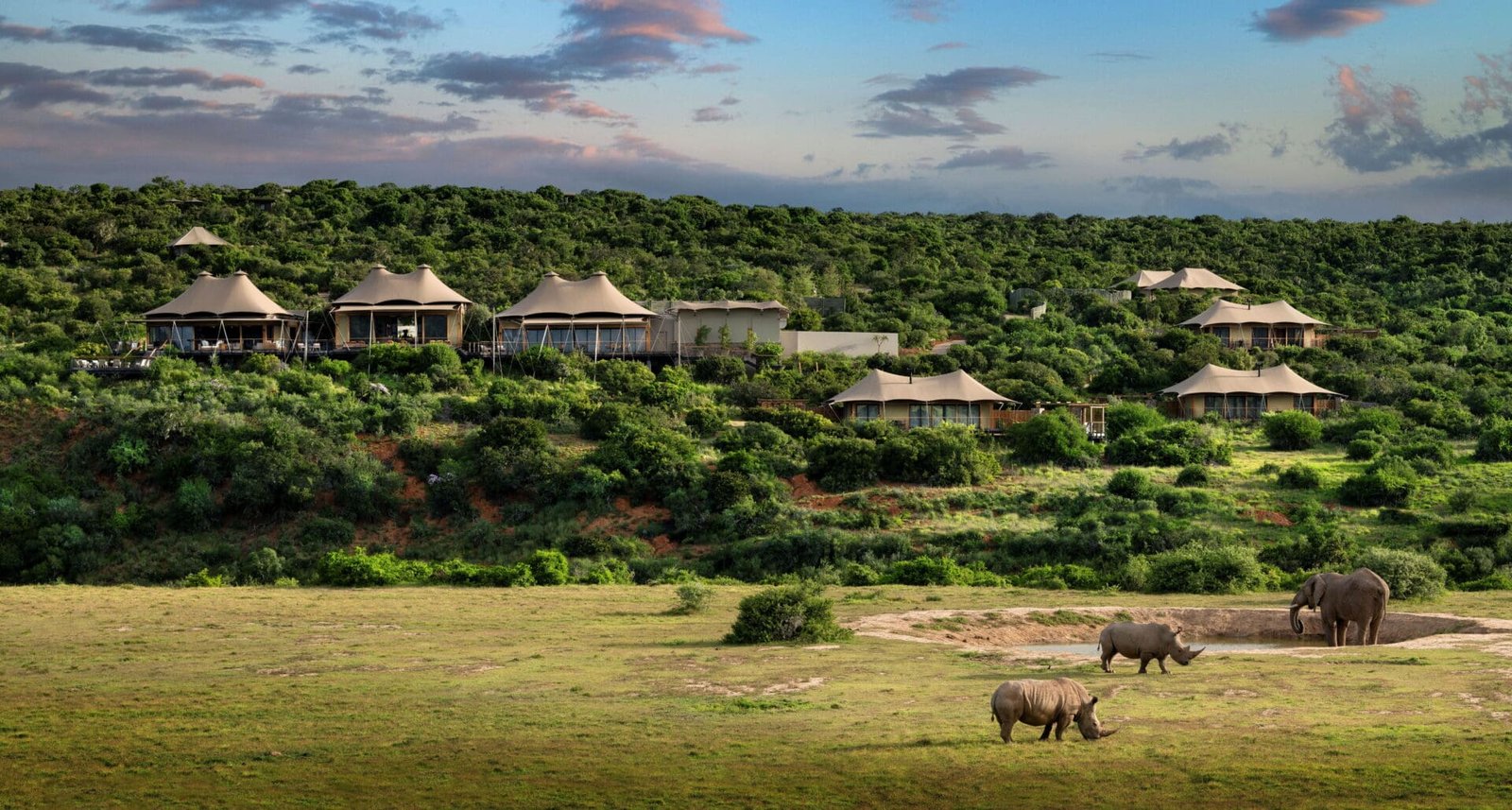
Not all safaris announce themselves with spectacle. Some earn their reputation quietly—through scale, restraint, and a depth of experience that reveals itself slowly. Set across more than 25,000 hectares in South Africa’s Eastern Cape, Shamwari Private Game Reserve has long been respected among seasoned travellers, but it is now entering a different phase altogether—one that feels less like reinvention and more like refinement.
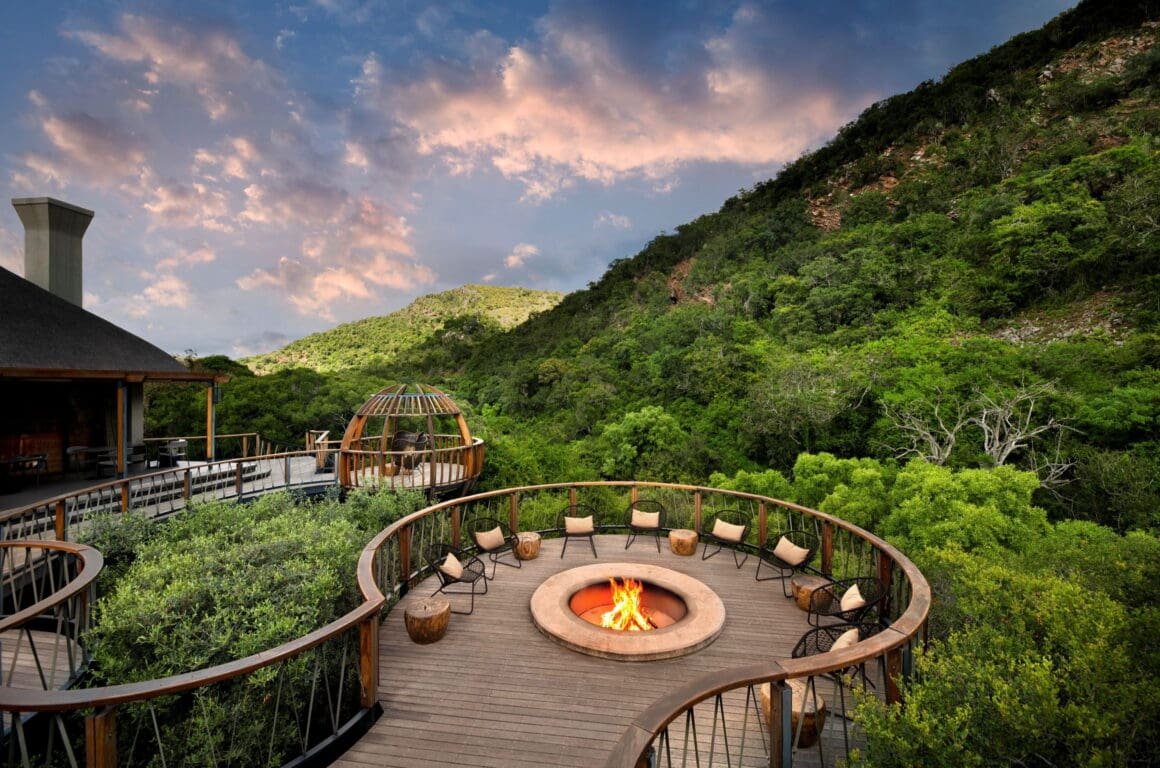
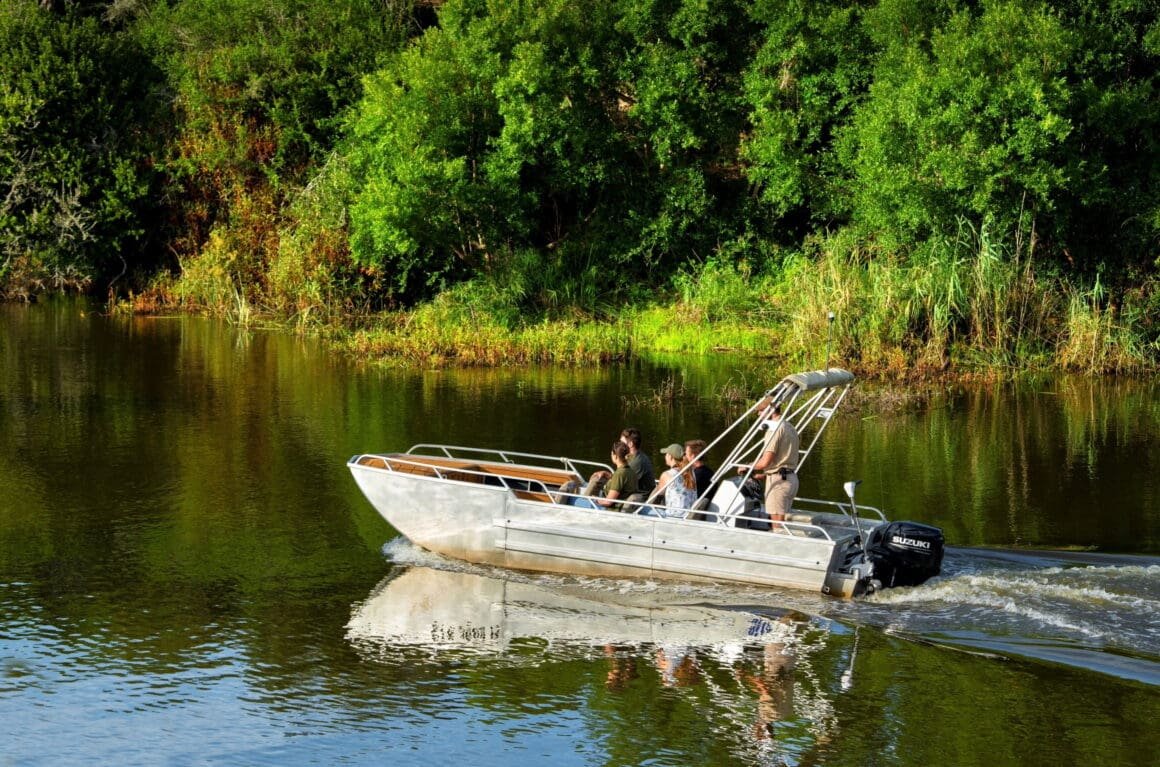
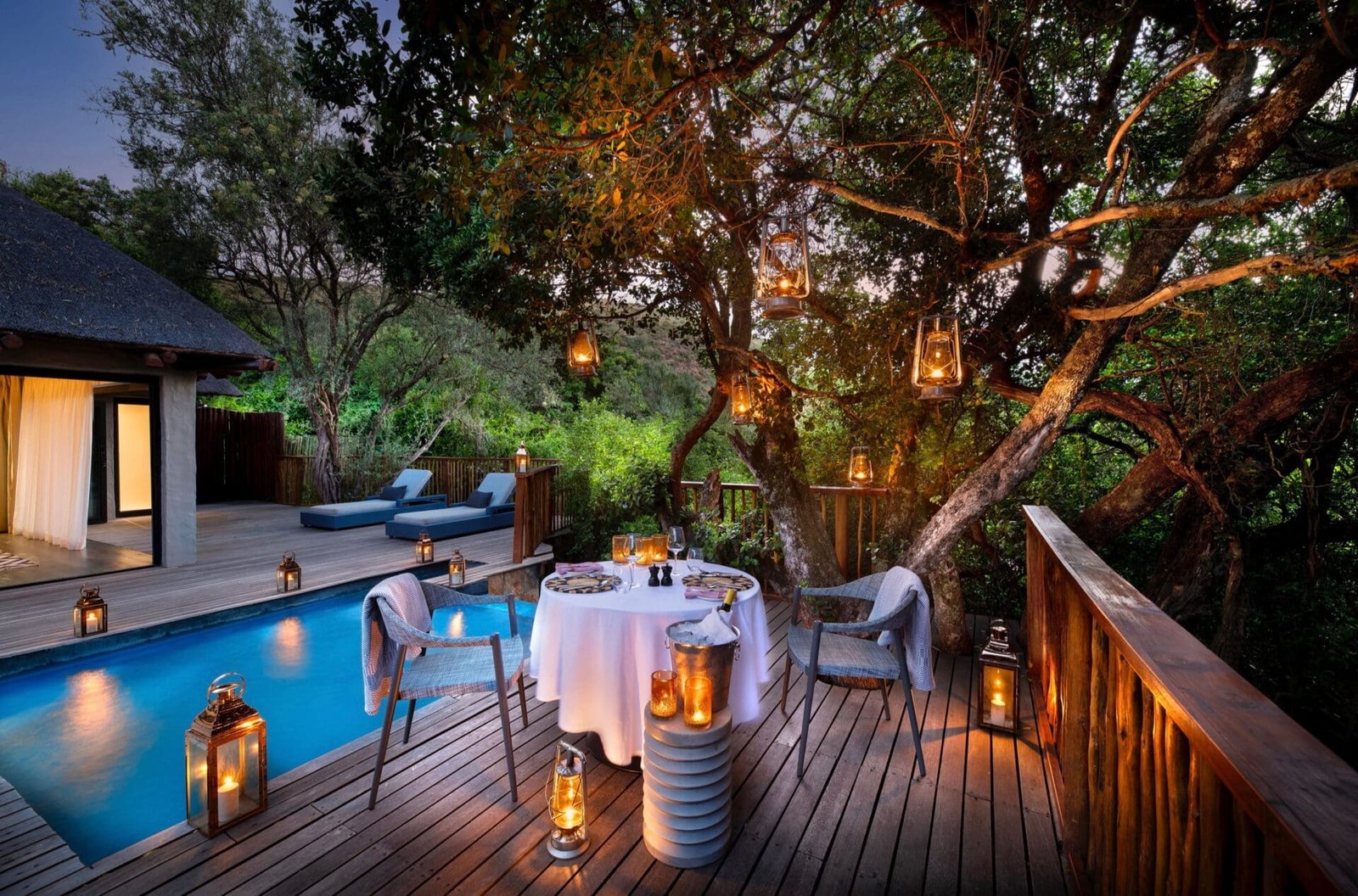
What sets Shamwari apart is not just where it is, but how effortlessly it allows guests to arrive. With the introduction of its private air shuttle, travel that once demanded patience now feels almost seamless. Guests fly directly into the reserve from Cape Town or Johannesburg, touching down within the wilderness itself. The transition is immediate: the aircraft door opens, the air changes, and the safari begins before a lodge key is ever handed over. It is a subtle shift, but one that fundamentally alters how luxury travel feels—less logistical, more instinctive.
Once inside the reserve, the sense of considered design becomes apparent. Shamwari’s lodges are not variations on a theme, but distinct personalities. From the dramatic seclusion of Eagles Crag to the elevated, contemporary tented experience at Sindile, each space speaks to a different rhythm of travel. Long Lee Manor, with its Edwardian proportions and manicured lawns, offers an almost anachronistic elegance, while Riverdene and Bayethe lean into warmth, privacy, and immersion. The recent revitalisation across all properties has not gone unnoticed internationally, but its true success lies in how seamlessly the upgrades disappear into the experience itself.
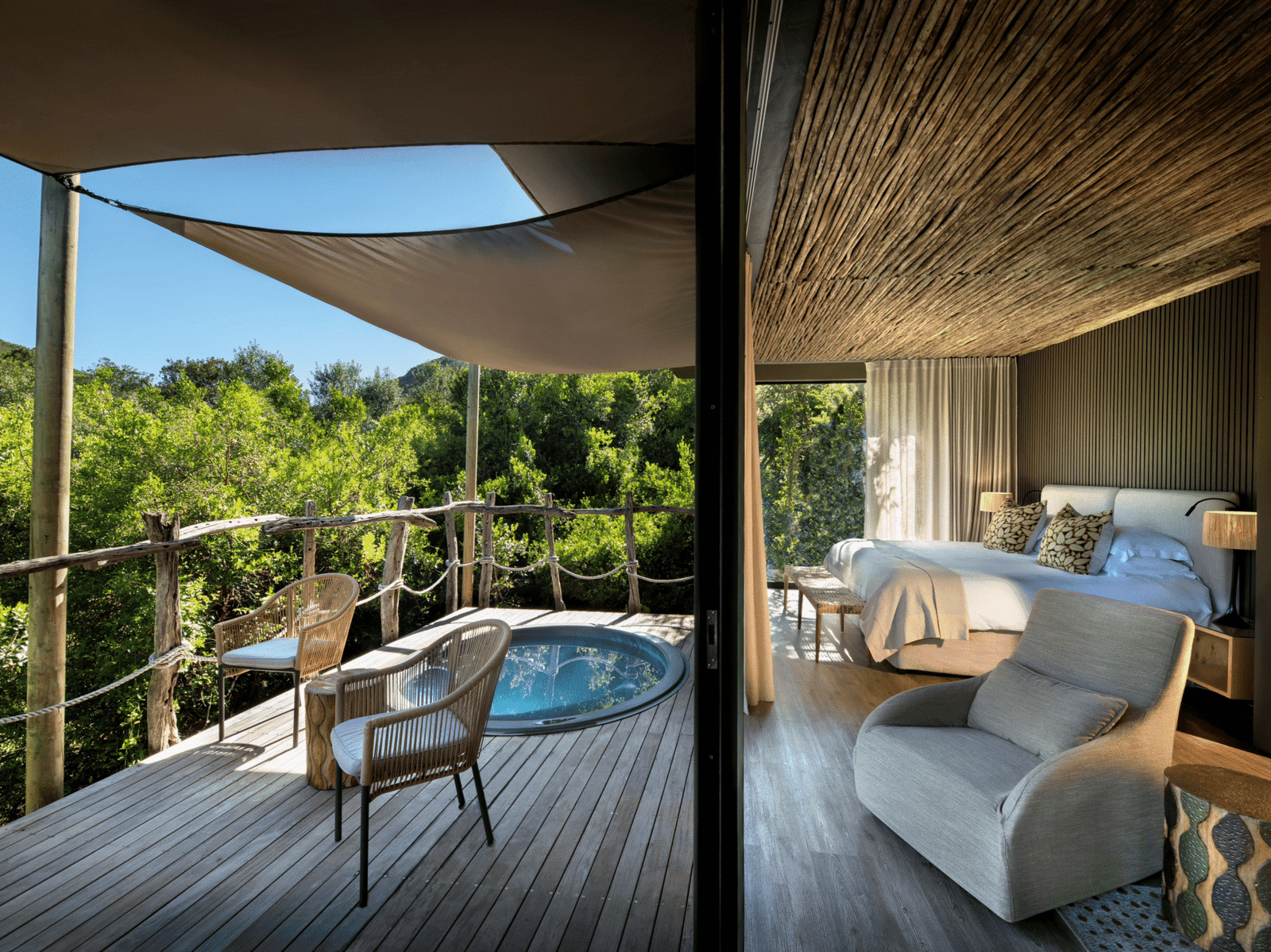
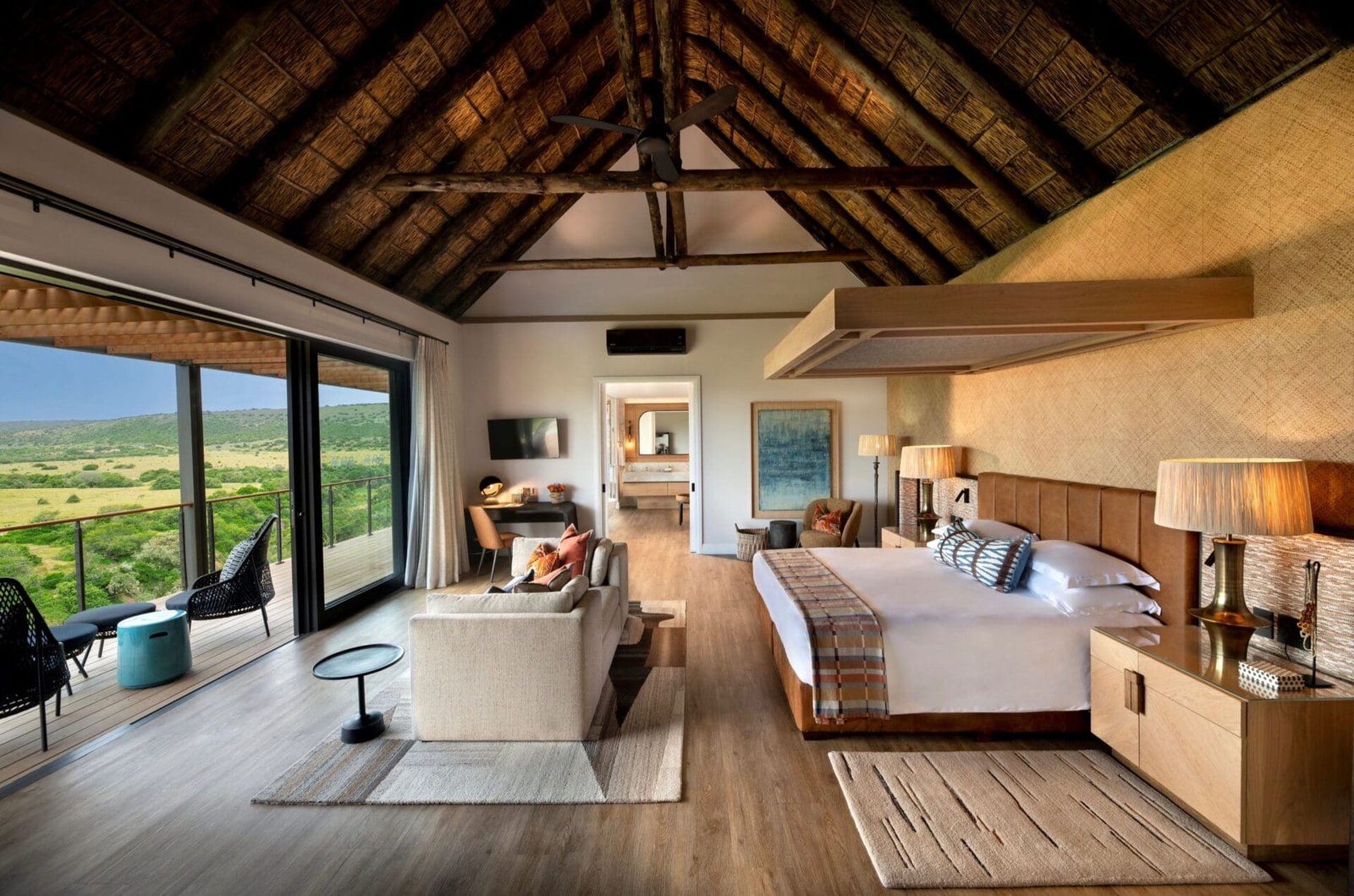
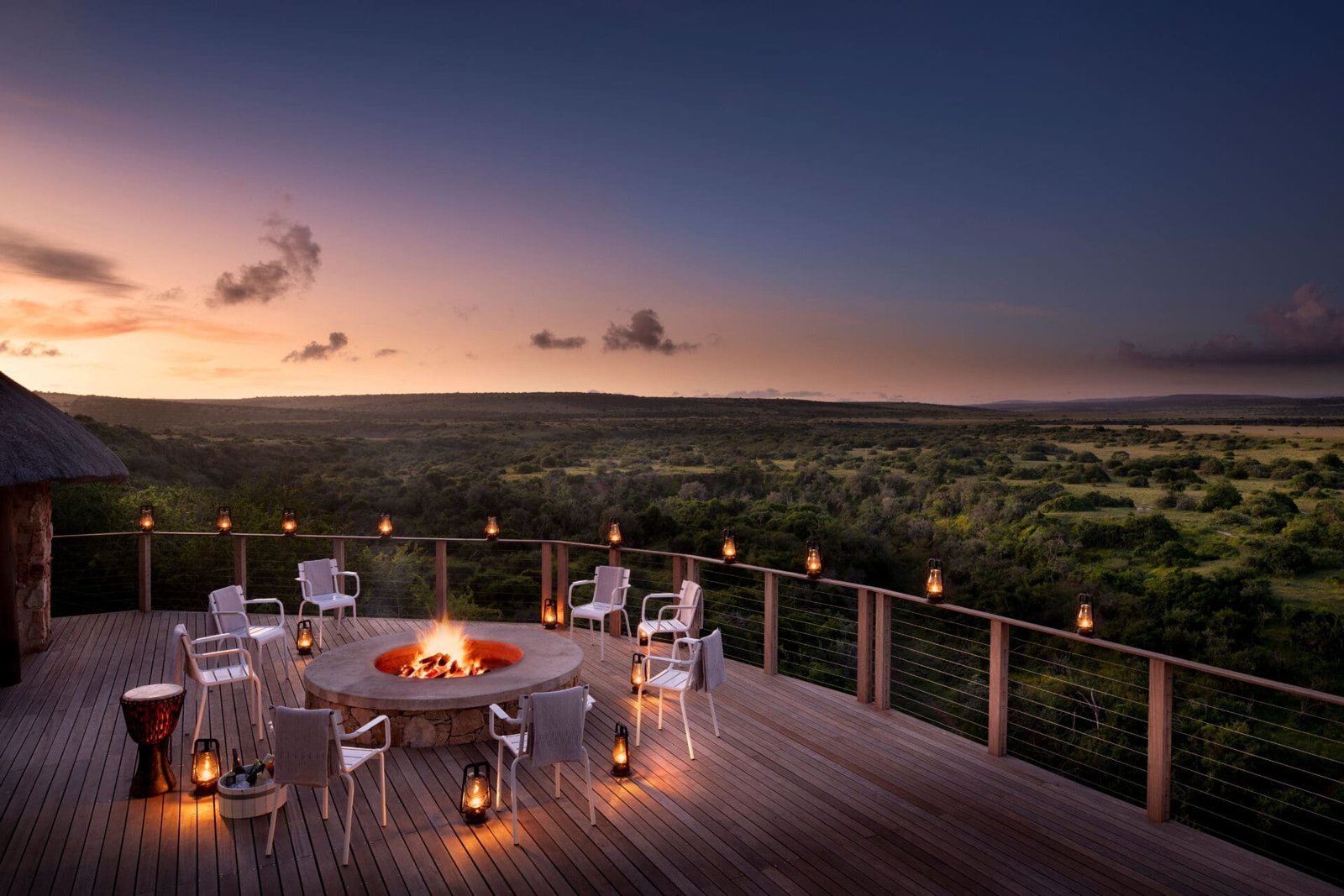
Of course, luxury here does not come at the expense of the wild. Shamwari delivers a genuine Big Five safari across a mosaic of landscapes—rolling savannah, dense thicket, riverine forests, and rocky valleys. Game drives unfold without urgency, guided by a confidence that comes from long-term ecological restoration rather than curated encounters. Lions, elephants, rhinos, and leopards are part of a living system, not a checklist, and that distinction changes how time is spent in the reserve.
What gives Shamwari its deeper resonance, however, is purpose. The work of the Shamwari Foundation is woven into the guest experience, not positioned as an optional add-on. Conservation here is active and ongoing—from vulture breeding programmes and big cat sanctuaries to hands-on wildlife rehabilitation and community initiatives. Visiting these projects does not break the illusion of escape; it sharpens it, grounding the experience in responsibility rather than indulgence.
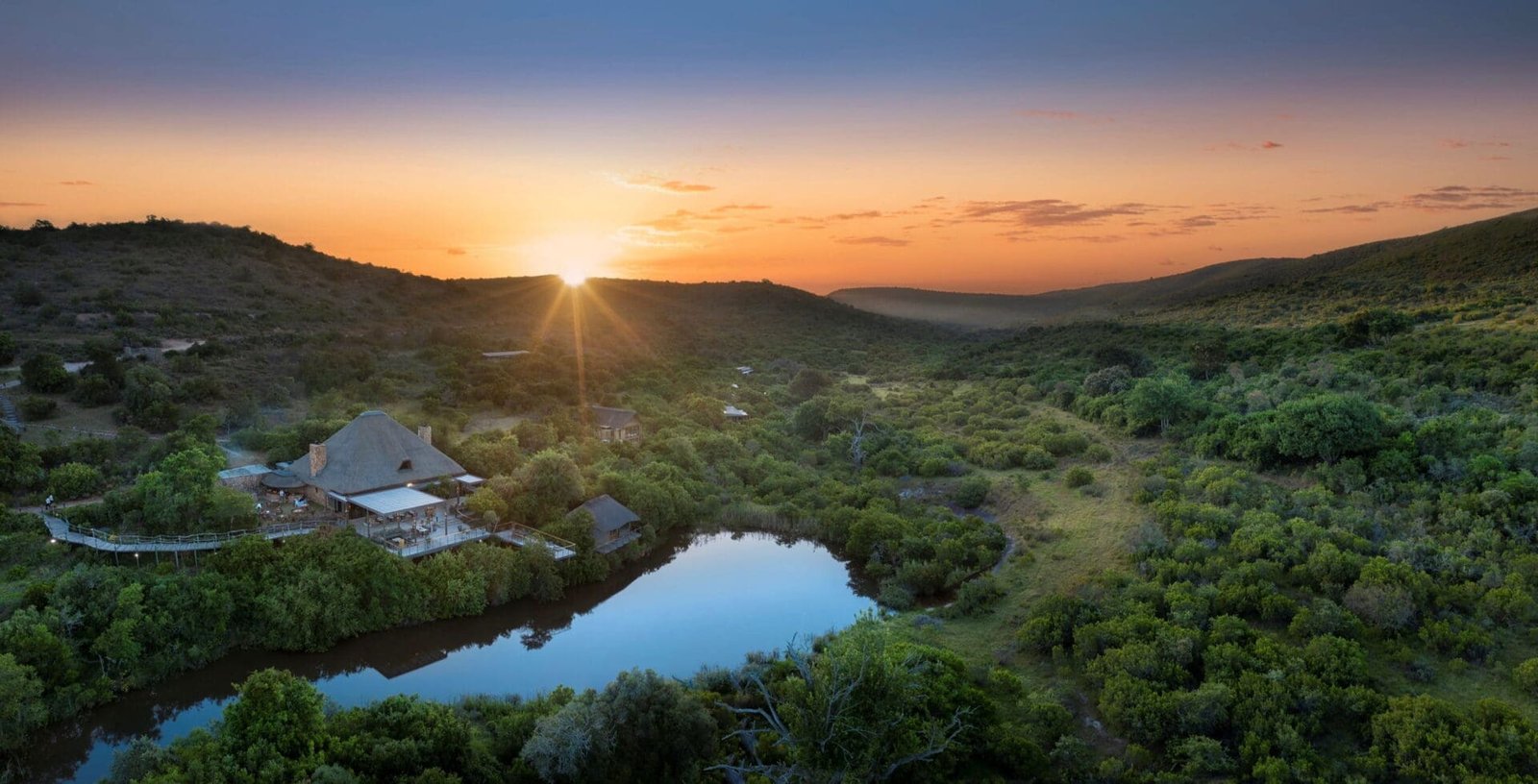
In a global safari landscape dominated by well-known names and predictable circuits, Shamwari feels refreshingly self-assured. It does not chase attention, yet steadily earns it—through access that respects time, lodges that value character over excess, and a conservation philosophy that predates sustainability as a trend. For travellers who seek privacy, authenticity, and experiences that linger beyond the journey home, Shamwari is no longer a discovery. It is a quiet benchmark.