Signé Magazine
  • Cars
  • Watches
  • Style
    • Fashion
    • Accessories
    • Grooming
  • Signé Woman
    • Fashion
    • Jewellery
    • Beauty
  • Lifestyle
    • Gear
    • Travel
    • Hotels
    • Fine Dining
    • Real Estate
  • Art & Design
  • Festive Picks!New
Browse
  • Cars
  • Watches
  • Style
    • Fashion
    • Accessories
    • Grooming
  • Signé Woman
    • Fashion
    • Jewellery
    • Beauty
  • Lifestyle
    • Gear
    • Travel
    • Hotels
    • Fine Dining
    • Real Estate
  • Art & Design
  • Festive Picks!New
Search
Signé Magazine
Signé Magazine Signé Magazine
  • Cars
  • Watches
  • Style
    • Fashion
    • Accessories
    • Grooming
  • Signé Woman
    • Fashion
    • Jewellery
    • Beauty
  • Lifestyle
    • Gear
    • Travel
    • Hotels
    • Fine Dining
    • Real Estate
  • Art & Design
  • Festive Picks!New
  • Fashion

Alpaca, The Fibre of Royalty

  • April 20, 2020
  • 2 minute read
Total
0
Shares
0
0
0
0

Known as “the fibre of the gods,” Alpaca was reserved for Inca royalty. The Alpaca fibre comes from the fleece of the Alpaca (Vicugna pacos), a species of South American camelids like the llama, Guanaco and Vicuña. Alpacas have been bred for their fibre and meat on the Andean highlands (between 3,500 and 5,000 metres) in Ecuador, Peru, Chile, Bolivia and Northwest of Argentina by the Amerindians for over 5,000 years.
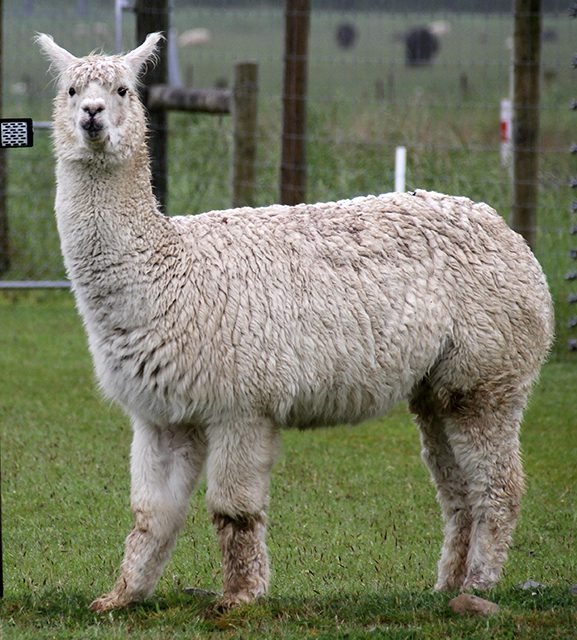
Alpaca

There are generally two types of Alpaca fibre, produced by two distinct breeds of Alpaca. Huacaya (pronounced wah-kee-ya) is the dominant breed and thus produces the most common fleece type. It looks similar to sheep wool – voluminous and crimpy – making it a naturally elastic yarn well-suited for knitting. Suri (surrey), the second breed making up just 10 to 20 per cent of the Alpaca population, are prized for their longer and silkier fibres that hang down their side like “dreadlocks.” Since the fleece has no crimp, it is better suited for weaving.

Alpaca fibre is five times warmer and stronger than sheep’s wool. The fibre has air pockets which allow it to trap and contain more heat. It is softer than wool, thanks to a diameter that is comparable to merino wool, and silkier to the touch. It is naturally water-resistant, and since it has no lanolin, a natural wax secreted by some wool-producing animals which can trigger an allergic reaction, it is naturally hypoallergenic. The fibre is durable, does not easily pill, tear, or stain.

The Alpaca Fibre

An adult alpaca produces between 2.5 to 4.5 kilograms of fibre per year. The fleece has a broad range of natural colours from ivory to black, and a broad spectrum of greys and browns in between. As many as 52 natural colours are recognised in Peru and 22 in the worldwide fibre market. Moreover, these natural colours can be blended to produce even more colours while the lighter shades absorb dyes beautifully.

The Spanish introduced the fibre to Europe but did not find much acceptance as the wool mills found it difficult to spin it into yarns. That is until Sir Titus Salt of Bradford, in the early 1800s, produced the first Alpaca cloth. Since then, the Alpaca fibre has been among the most sought after in the world of luxury fashion, particularly in the fall-winter season.

Total
0
Shares
Share 0
Tweet 0
Pin it 0
Share 0
You May Also Like
View Post
  • Fashion
  • Style

Calvin Klein Launches Spring 2026 Denim Campaign Featuring Jung Kook

  • March 7, 2026
View Post
  • Fashion
  • Style

Frescobol Carioca Zephyr Capsule Brings Desert-Inspired Resortwear to the Middle East

  • March 4, 2026
View Post
  • Fashion
  • Style

Lacoste Ramadan Edit 2026 Reflects A Season of Ease and Togetherness

  • March 3, 2026
View Post
  • Cars
  • Fashion

Tommy Hilfiger X Cadillac Unveil Official 2026 Formula 1 Fanwear

  • February 16, 2026
View Post
  • Fashion
  • Style

Tommy Hilfiger Celebrates Ramadan 2026 Through Family, Style, and Modern Heritage

  • February 3, 2026
View Post
  • Fashion
  • Style

The “One-Night Stand” with Luxury: Why Renting Your Next Tuxedo is the Ultimate Power Move

  • January 26, 2026
View Post
  • Fashion
  • Style

Burberry Returns to the Elements With a New Gabardine Capsule

  • January 21, 2026
View Post
  • Fashion
  • Style

Tommy Hilfiger and Liverpool FC Set a New Style Code for Football

  • January 19, 2026
Signé Sanctuaries
  • A Return to Radiance: The Maybourne Riviera Welcomes the 2025 Season With New Culinary Stars and a Groundbreaking Wellness Destination
  • AVANTCHA Unveils Black Oud & Mastic: A Luxurious Fusion of Wellness and Tradition
  • Renew and Rejuvenate: Rosewood Abu Dhabi’s Longevity & Renewal Retreat
  • Clinique La Prairie Elevates Skin Rejuvenation in Revitalisation Programs Through Collaboration with La Prairie
  • One&Only Le Saint Géran Unveils Mauritius First Guerlain Spa: A Fusion of Elegance and Wellness
LATEST STORIES
  • Jaeger-LeCoultre Explores Middle Eastern Heritage Through Bridge in Time Artistic Collaboration
  • Ferrari Unveils the Amalfi Spider, A New Open-Top Expression of Performance and Elegance
  • Bugatti Bolide Owners Experience Ultimate Track Performance in Miami
  • Shangri-La Hambantota Strengthens Halal-Friendly Family Travel with Recognised Certification
  • Calvin Klein Launches Spring 2026 Denim Campaign Featuring Jung Kook
  • Mercedes-Benz Showcases 140 Years of Innovation at ModaMiami 2026
  • Mauron Musy Unveils Architect of Golden Cosmos and Golden Oasis Timepieces
  • JA Hatta Fort Hotel Hosts Ramadan Bonfire Nights with Project Chaiwala
  • Amouage Unveils Oud Zuhal, A Celestial Addition to the Essences Collection
  • Audi RS 5 Debuts as a High-Performance Plug-In Hybrid With 639 PS

Make your Inbox more interesting.

Every alternate week get a packaged update from the world of luxury. A newsletter tastefully curated by the 'Keepers of Craft', Signé Magazine.

Signé Magazine
  • Signé Magazine – All Stories
  • Contact Us
Keepers of Craft

Input your search keywords and press Enter.