In Toyota City this December, TOYOTA GAZOO Racing and Lexus drew a decisive line between past mastery and future ambition, revealing three flagship models that redefine how performance, heritage, and innovation coexist. The world premiere of the GR GT, GR GT3, and the Lexus LFA Concept was not framed as a conventional product launch, but as a philosophy in motion—one rooted in the Japanese principle of Shikinen Sengu, the ritual of renewal that preserves essential craftsmanship by passing it forward to the next generation.

Positioned as modern heirs to the legendary Toyota 2000GT and the original Lexus LFA, the three models embody a shared intent: to safeguard the “secret sauce” of car-making while embracing new technologies without dilution of soul. Developed together under a unified philosophy, all three pursue a low centre of gravity, reduced weight with heightened rigidity, and uncompromising aerodynamic efficiency—principles that have long defined Toyota’s most revered performance machines.
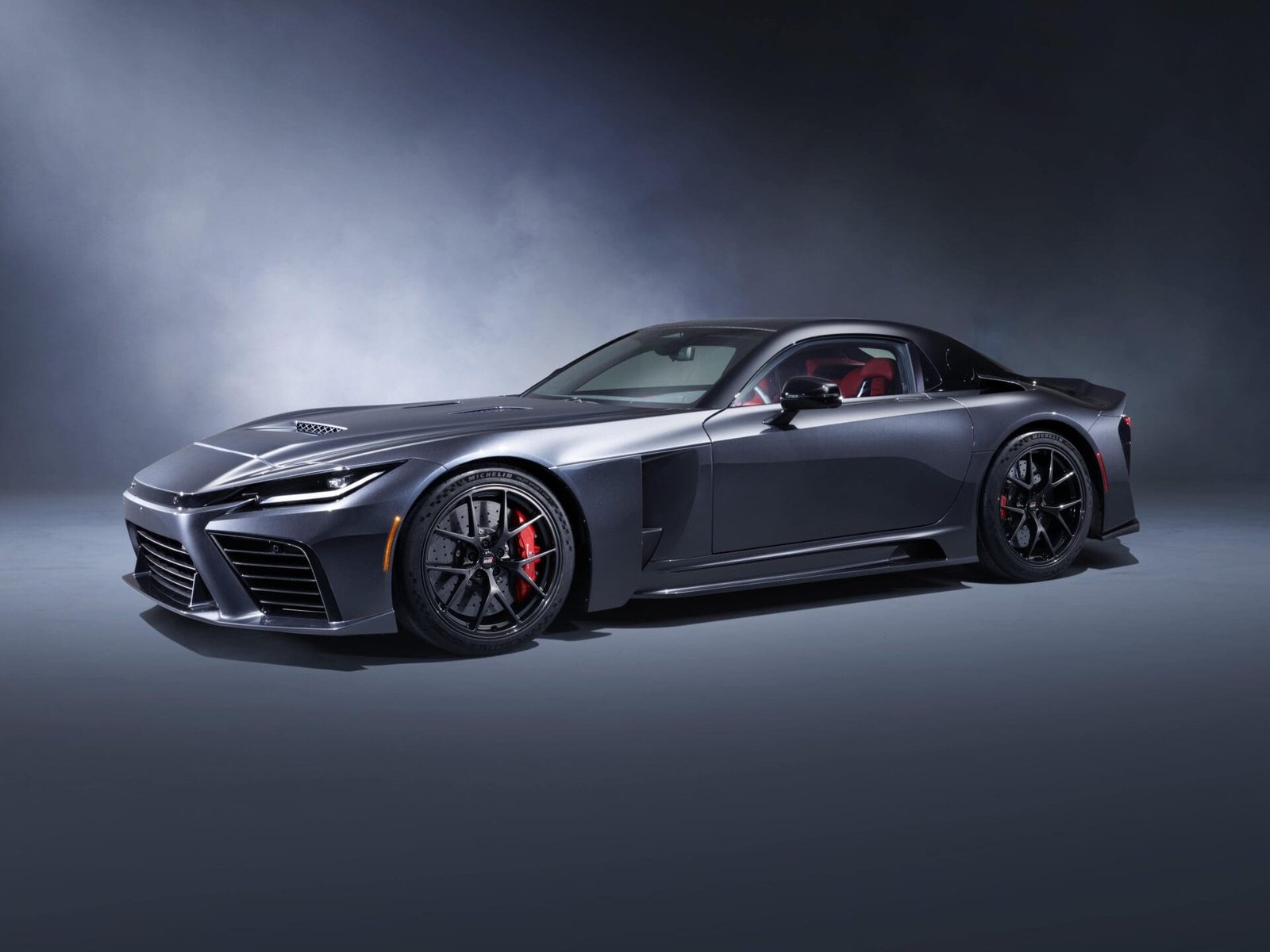
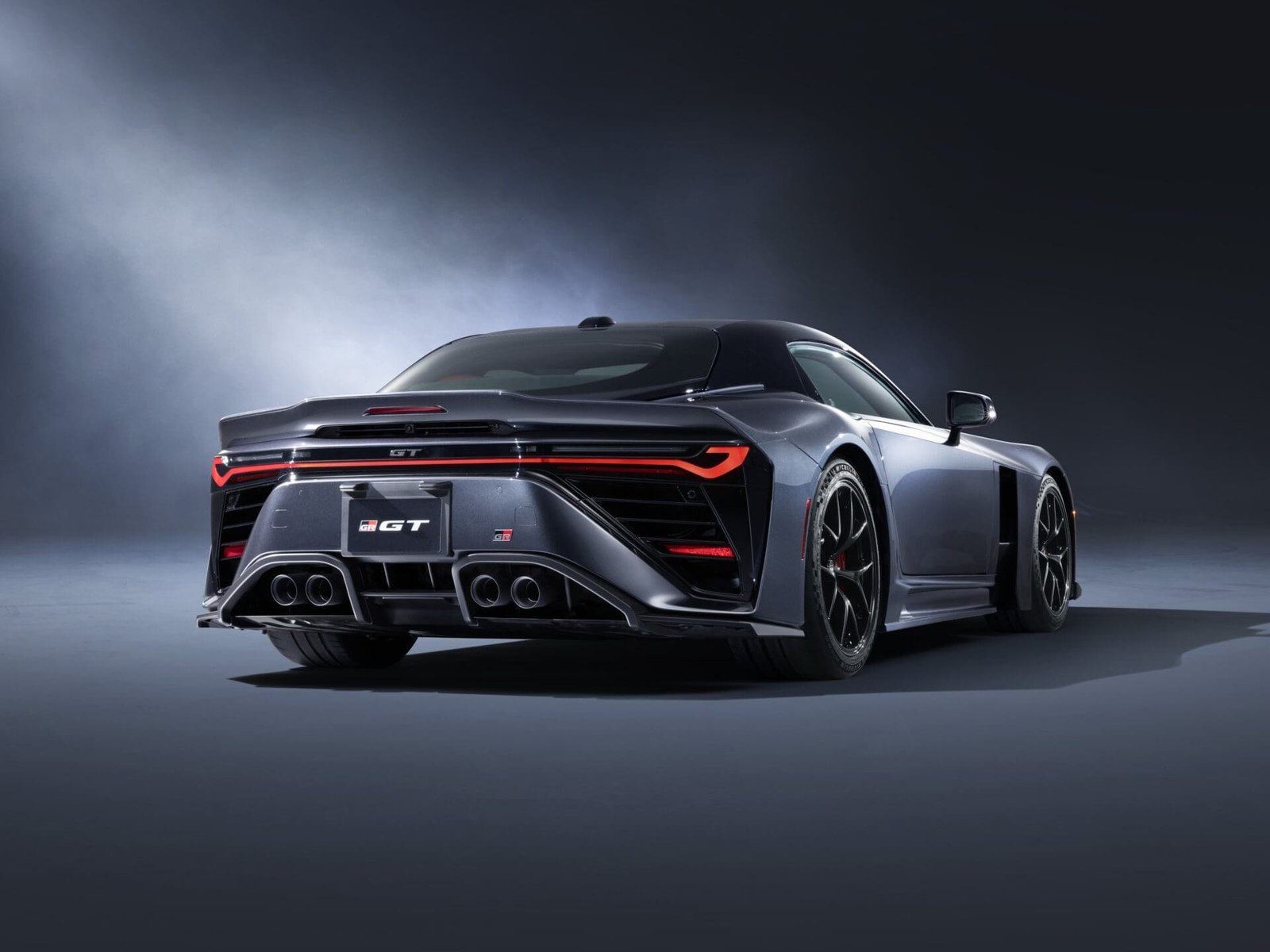
At the centre of this trilogy stands the GR GT, a new flagship sports car that advances TOYOTA GAZOO Racing’s motorsports-bred ethos with unapologetic clarity. Conceived and refined with direct input from Chairman Akio Toyoda—known behind the wheel as Master Driver Morizo—the GR GT was shaped by drivers at every stage, from seating position to final performance calibration. Built around a front-engine, rear-wheel-drive layout, it introduces Toyota’s first all-aluminium body frame, prioritising lightness without sacrificing structural integrity. Its hybrid powertrain pairs a newly developed 4.0-litre V8 twin-turbo engine with a single electric motor, delivering a combined output exceeding 650 PS and 850 Nm of torque, translating engineering ambition into visceral, accessible performance.
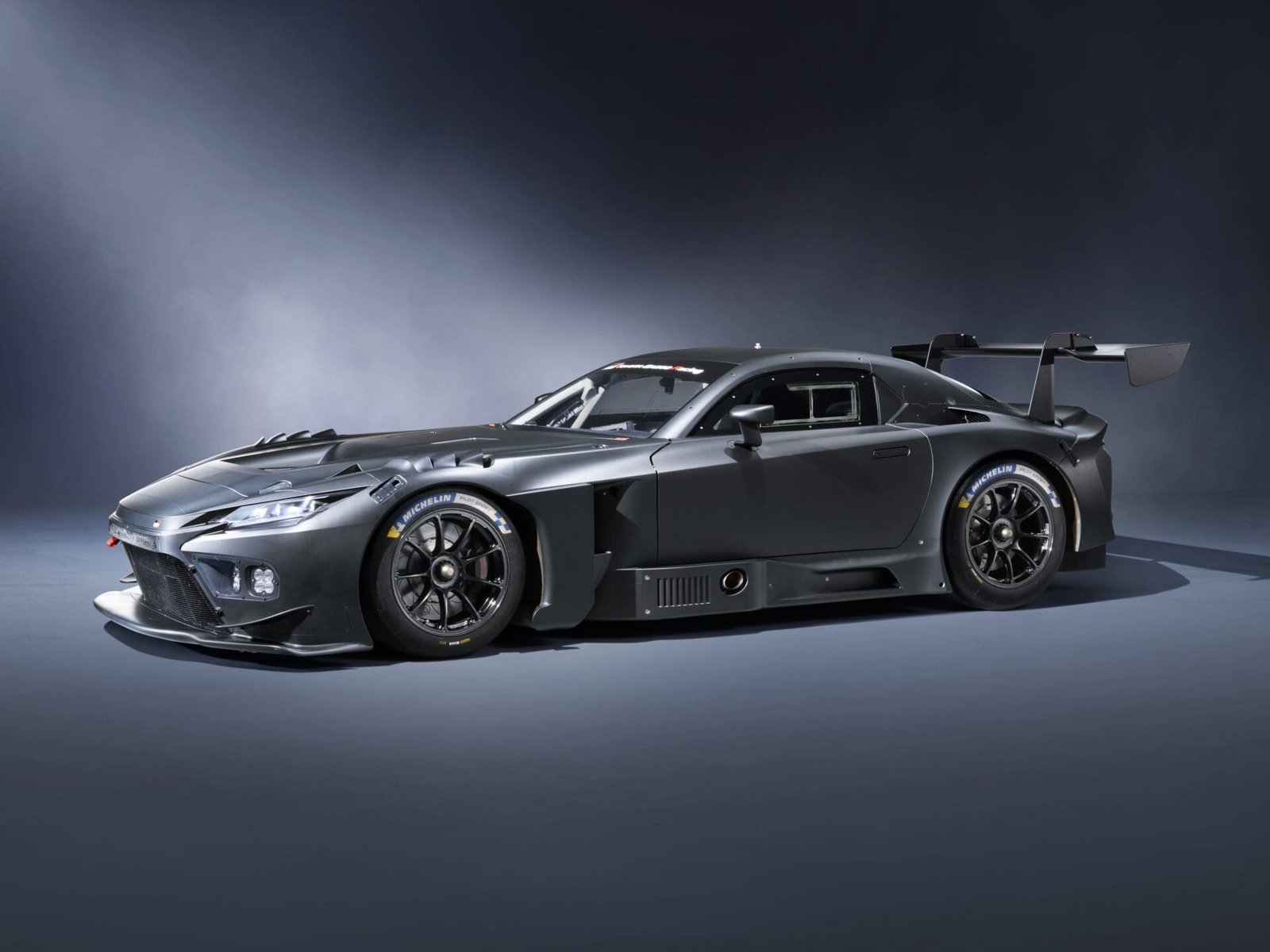


That same DNA is sharpened further in the GR GT3, a FIA GT3-spec race car developed for customers who want to compete—and win—on the world stage. Drawing directly from the GR GT’s architecture, including its aluminium space-frame chassis and V8 twin-turbo engine, the GR GT3 has been engineered with a singular focus on drivability across skill levels. Beyond the car itself, TOYOTA GAZOO Racing is preparing a comprehensive global support ecosystem, underlining a commitment not just to racing hardware, but to the people who will pilot it in international competition.
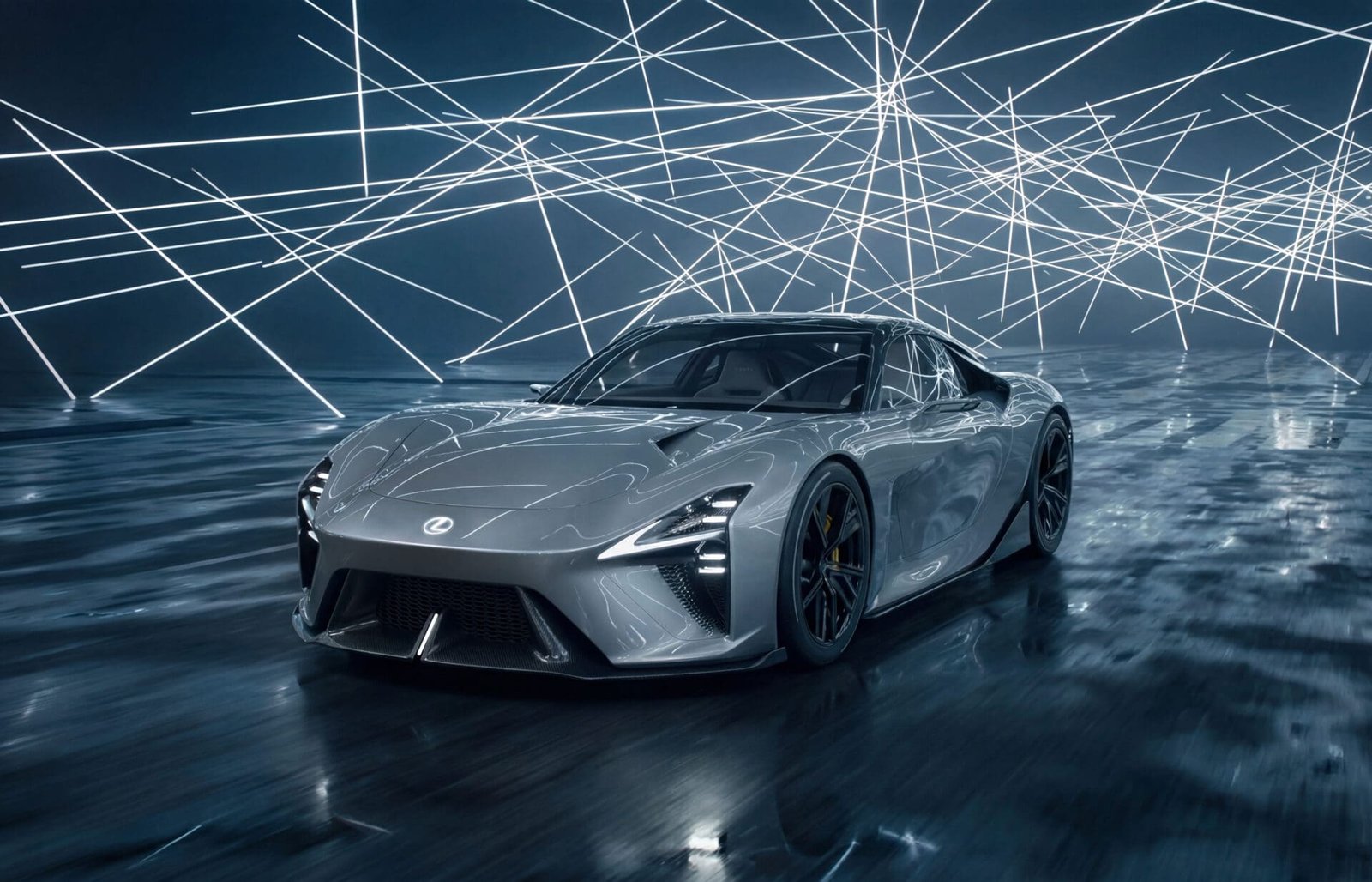
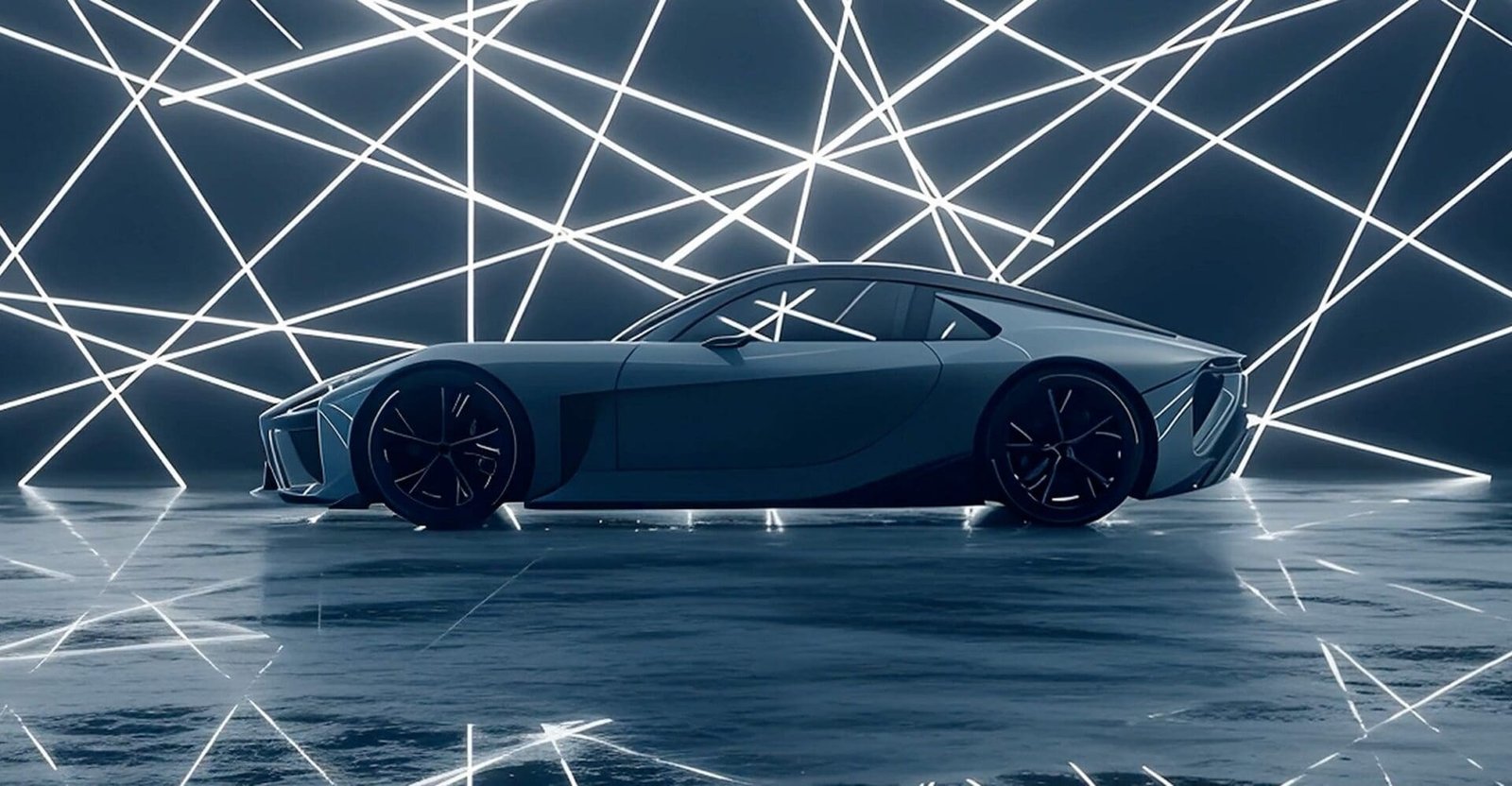
Completing the trio is the Lexus LFA Concept, a vision of what a true battery-electric sports car can become when freed from compromise. Developed under the same one-team philosophy as its combustion-powered counterparts, the concept inherits the spirit of the original LFA while challenging the notion that BEV sports cars remain in their infancy. Balancing expressive design with driving engagement, it represents Lexus’ intent to carry forward its performance lineage into an electrified future without surrendering emotional resonance.

Together, the GR GT, GR GT3, and Lexus LFA Concept articulate a broader narrative—one in which renewal does not erase tradition, but strengthens it. Much like Shikinen Sengu itself, these cars are not simply replacements for icons of the past, but vessels through which knowledge, craftsmanship, and ambition are preserved and reimagined. In doing so, Toyota and Lexus signal that the future of performance will not be defined by technology alone, but by how faithfully it carries the spirit of those who came before.