In the rarefied atmosphere where haute horlogerie converges with Parisian codes of elegance, Chanel orchestrates a philosophical proposition: that mechanical seriousness and stylistic wit need not exist in opposition. At Watches & Wonders Geneva 2026, under the creative direction of Arnaud Chastaingt, the Maison presents a collection that gamifies glamour itself—transforming the legendary J12 into both architectural extreme and whimsical protagonist while elevating secret watches to levels of artisanal sophistication that position Chanel as arbiter of style in the Genevan firmament.
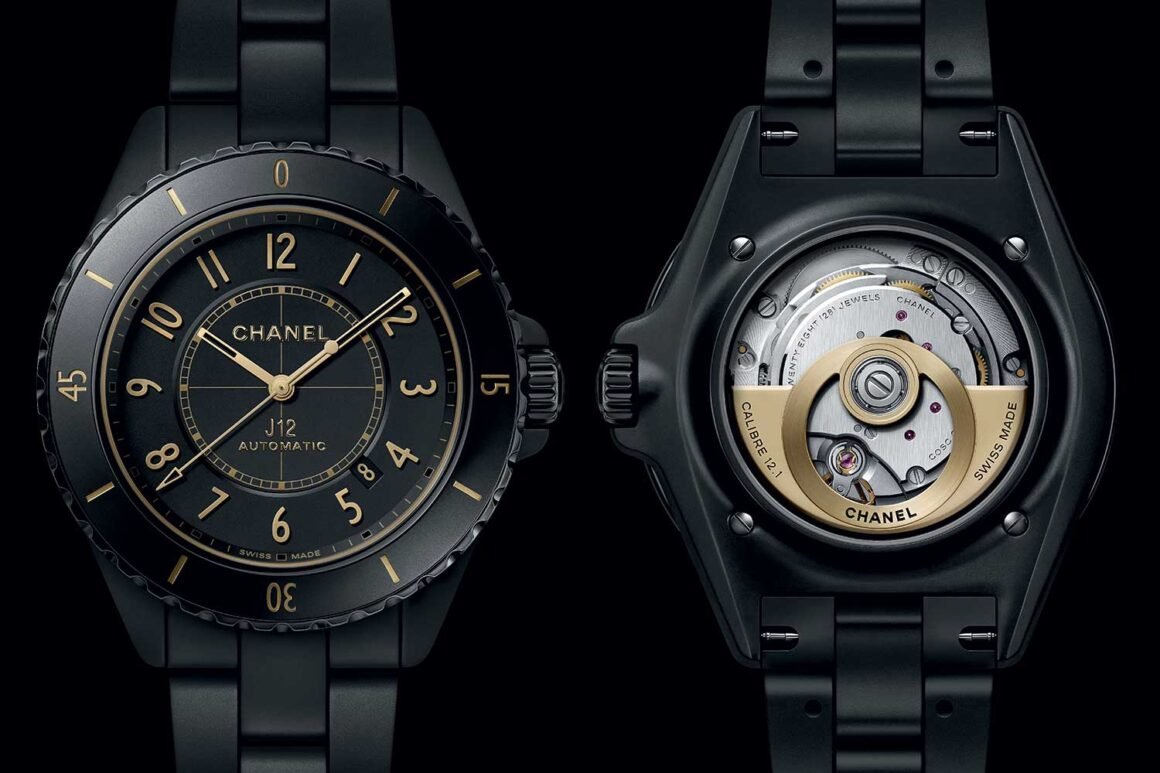
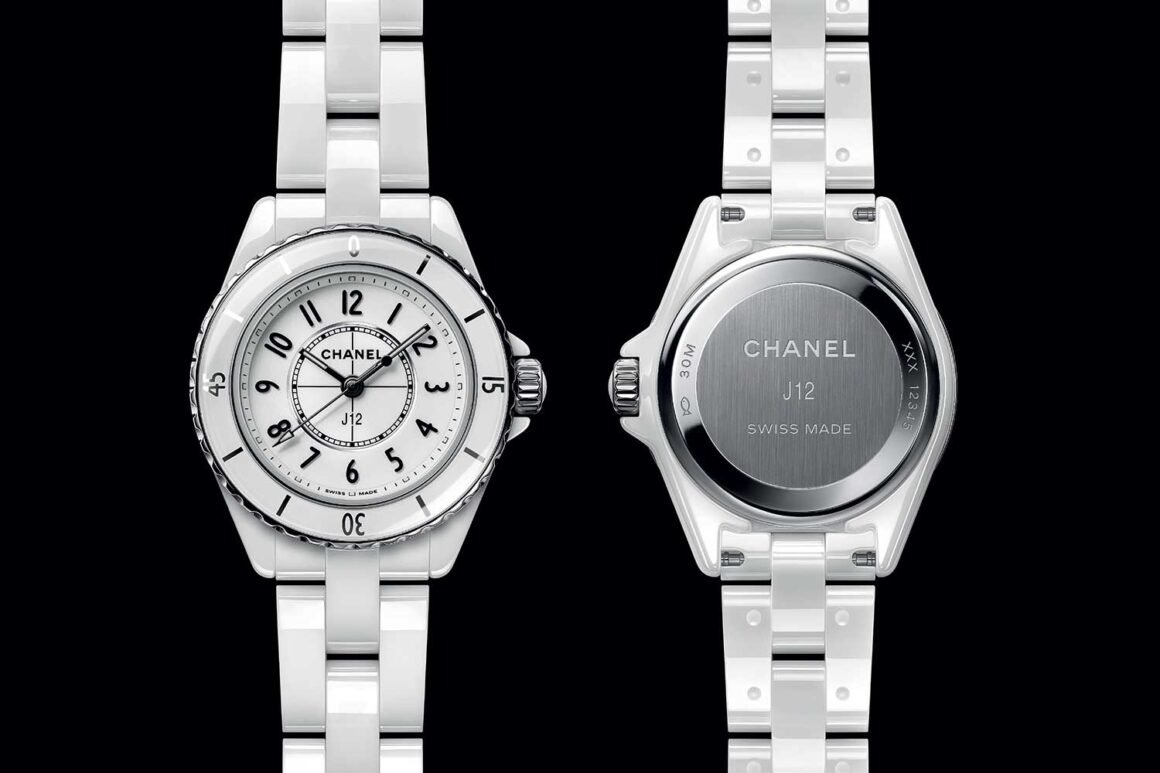
The J12, conceived in 2000 as ceramic revolution, now expands into territories of scale previously uncharted. At one pole resides the J12 in 28mm—a return to vintage proportions rendered in high-tech black ceramic, its diminutive case housing quartz precision for those who wear watches as jewelry rather than instrument. At the opposite extreme emerges the J12 in 42mm, a commanding presence powered by Caliber 12.1, the COSC-certified manufacture movement produced by Kenissi that delivers approximately 70 hours power reserve through architecture refined for contemporary chronometric performance. This larger iteration arrives in matte black ceramic paired with satin-finished steel—the “Superleggera” edge that positions J12 in masculine territory while maintaining the iconic design language of integrated bracelet, twelve-sided bezel, and ceramic construction resistant to scratches approaching diamond on the Mohs scale.
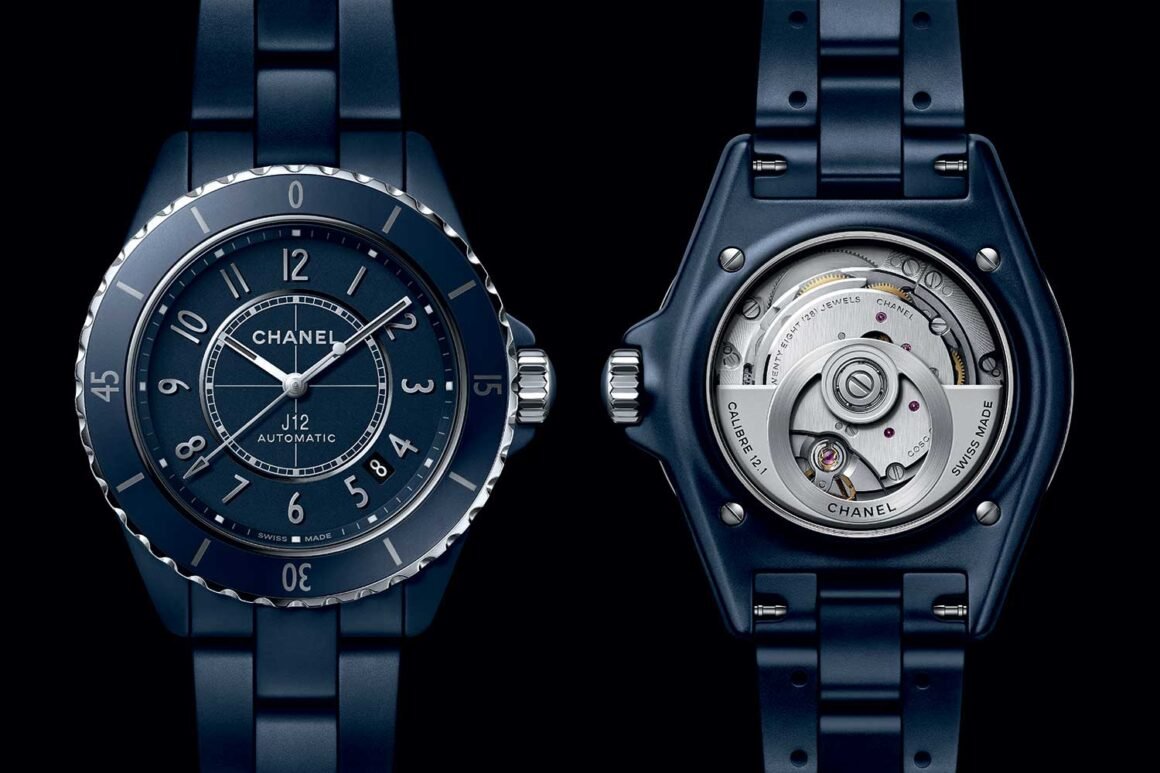
Between these polarities, commercial significance crystallizes: the J12 Bleu transitions from limited edition to permanent collection status. The inky blue ceramic—achieved through proprietary formulation requiring firing at temperatures exceeding 1,400°C—now anchors the collection in both 33mm and 38mm cases, each powered by COSC-certified movements (Caliber 12.2 for 33mm, Caliber 12.1 for 38mm). This chromatic addition represents strategic elevation: blue ceramic demanding technical mastery that few manufactures achieve, its deep oceanic hue shifting subtly across lighting conditions while maintaining the material’s inherent resistance to fading, a permanence encoded at molecular level during the sintering process.
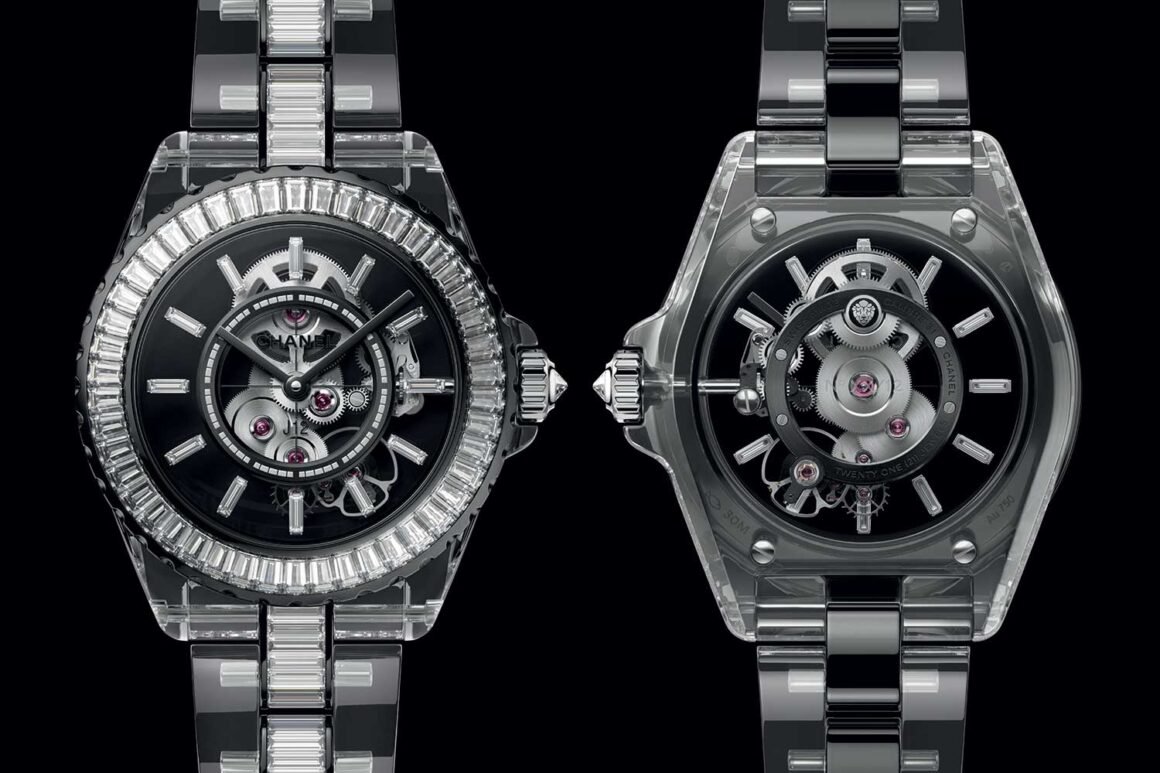
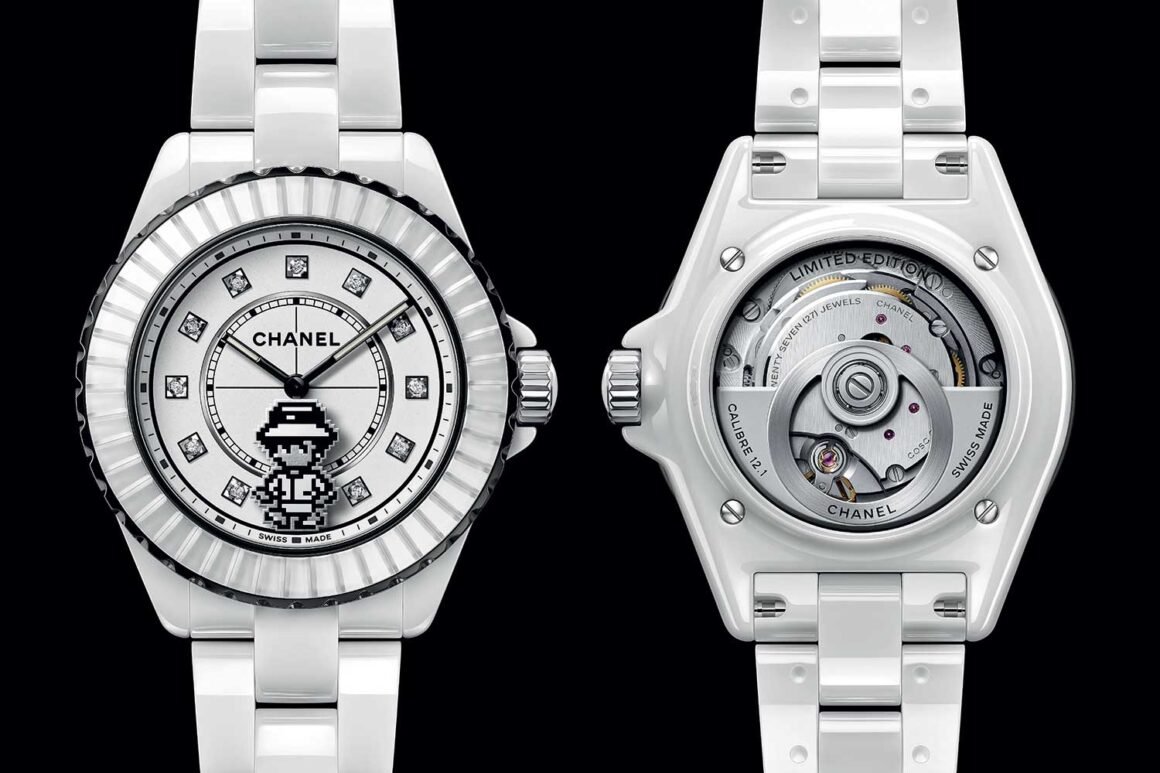
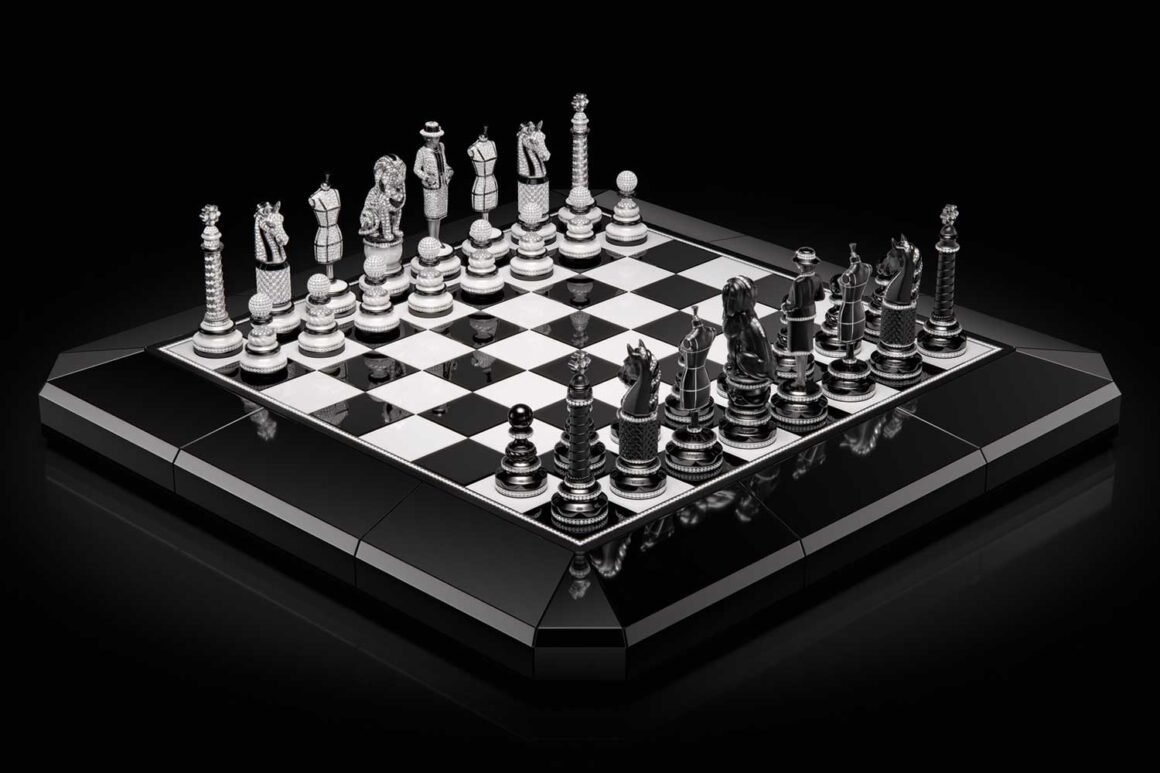
Yet it is within the Coco Game collection that Chanel’s philosophical audacity fully manifests. Here, Mademoiselle Chanel herself becomes protagonist in ludic universe of haute horlogerie whimsy. The J12 X-Ray Coco Game presents skeleton architecture through sapphire bridges—transparent structural elements that reveal Caliber 3.1’s mechanical ballet while evoking video game transparency effects. The dial transforms into gaming interface where Mademoiselle navigates pixelated landscape, each element hand-painted on multiple levels to create dimensional depth. Surrounding this horological gameplay: a piece-unique ceramic chessboard where each square measures precisely 40mm, the gaming surface requiring 64 individual ceramic components assembled into cohesive tableau, and a Long Necklace inspired by Game Boy aesthetics—golden joystick pendant suspended from chain that translates 1980s gaming nostalgia into haute joaillerie statement.
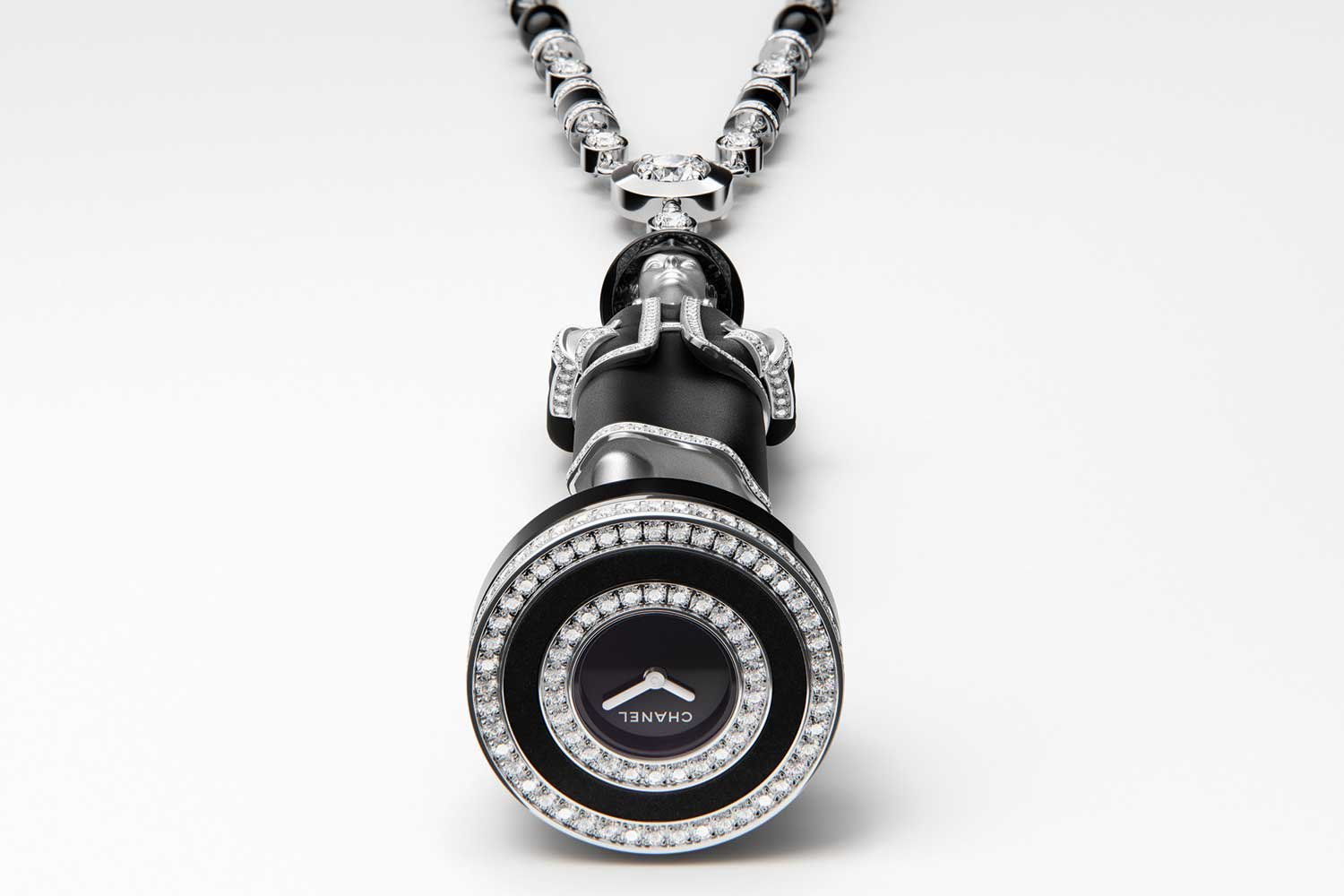
In parallel, Chanel reinforces dominance within the secret watch category. The Mademoiselle Privé Bouton Lion conceals mechanical movement beneath golden lion button—Mademoiselle’s talismanic symbol rendered in 18-carat gold with articulated cover that reveals dial only when wearer chooses revelation. The Noeud de Camélia transforms signature camellia bow into ring-mounted secret watch, its petals opening via hidden mechanism to expose timepiece miniaturized to jewel scale. These are watches that privilege discretion over display, mechanical ingenuity over exhibition—horology as intimate secret rather than public declaration.
What emerges across this collection is Chanel’s unique positioning: the Maison that refused to choose between manufacture credibility and fashion relevance, between Kenissi-movement muscle and stylistic codes that remain unmistakably Parisian. Where Geneva often gravitates toward austere heritage narratives, Chanel proposes wit and whimsy as equally valid expressions of watchmaking excellence. The Coco Game collection proves high complications need not wear serious faces—that a skeleton movement revealing sapphire bridges can coexist with hand-painted gaming landscapes, that COSC certification and playful luxury occupy the same philosophical territory.
This is gamification of glamour: horology that acknowledges joy as legitimate aspiration, mechanical precision as vehicle for stylistic expression rather than end unto itself. In Chanel’s vision, the second century of modern watchmaking belongs not to those who preserve codes but to those who play with them—transforming ceramic into canvas, movement into medium, time itself into game worth playing with style, substance, and utterly Parisian irreverence.