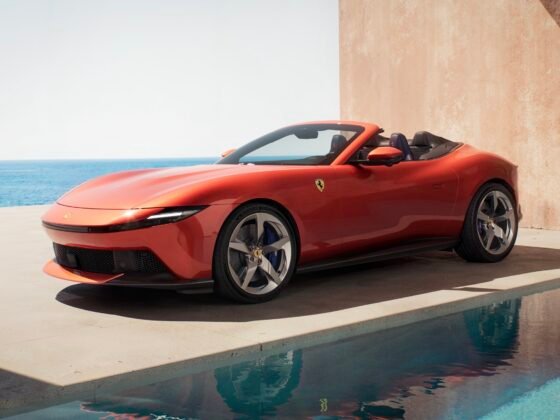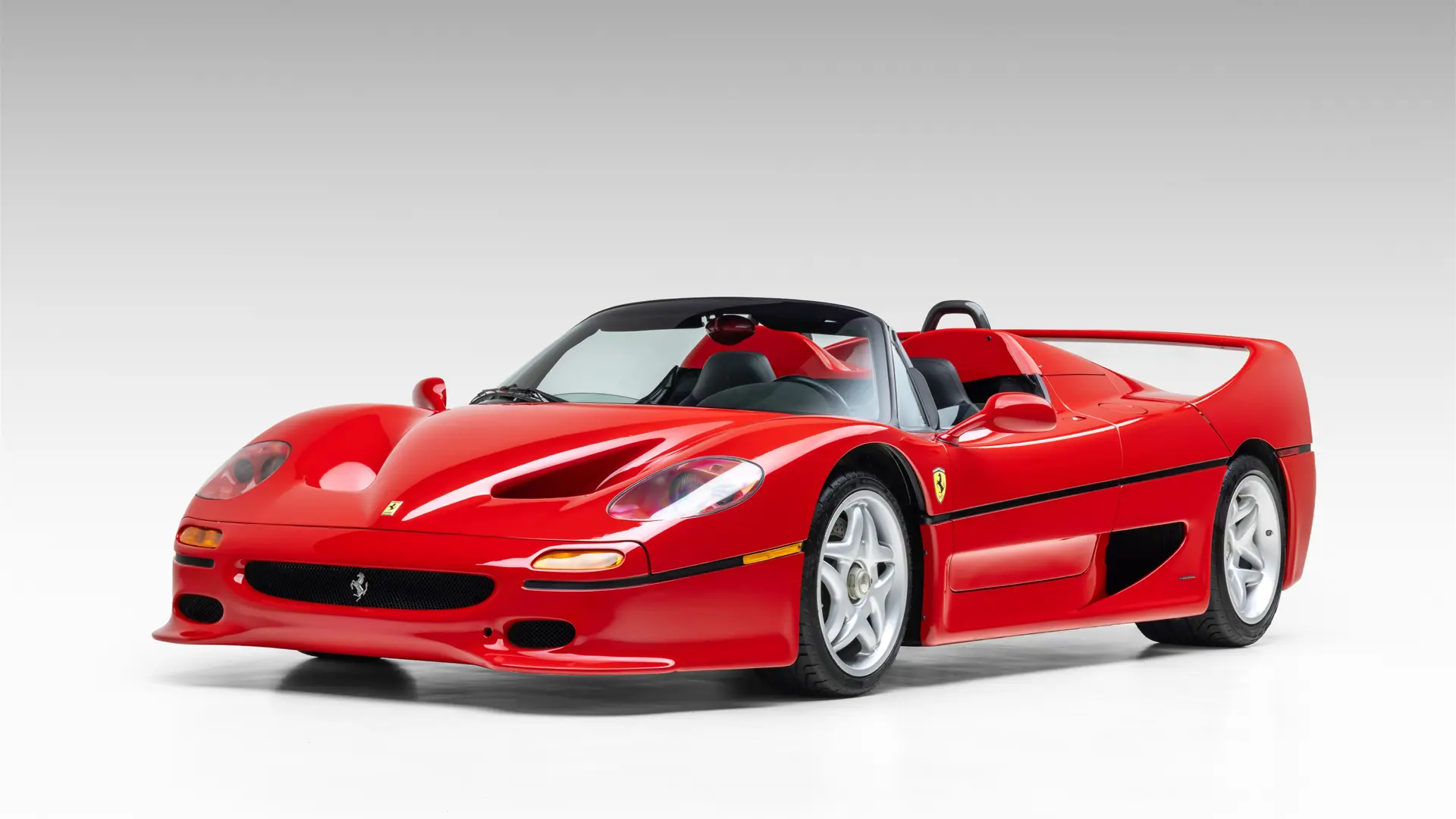
There are auctions that feel transactional, and then there are those that function as cultural markers. When RM Sotheby’sopens its 2026 auction season on January 23 at the Arizona Biltmore, it will do so with a collection that leans decisively toward the latter. Valued at roughly $60 million, The Longhorn Collection is not simply a group of desirable cars—it is a tightly edited narrative about Ferrari’s modern mythology.
At its centre sit two machines that define an era of automotive ambition: the Ferrari F50 and the Ferrari LaFerrari. For collectors, these belong to Ferrari’s so-called “Big Six”—a lineage of halo cars that chart the brand’s most uncompromising moments. Seeing two of them offered together, from the same collection, at the very start of the year is no accident. It sets the tone for 2026 before a single lot crosses the block.
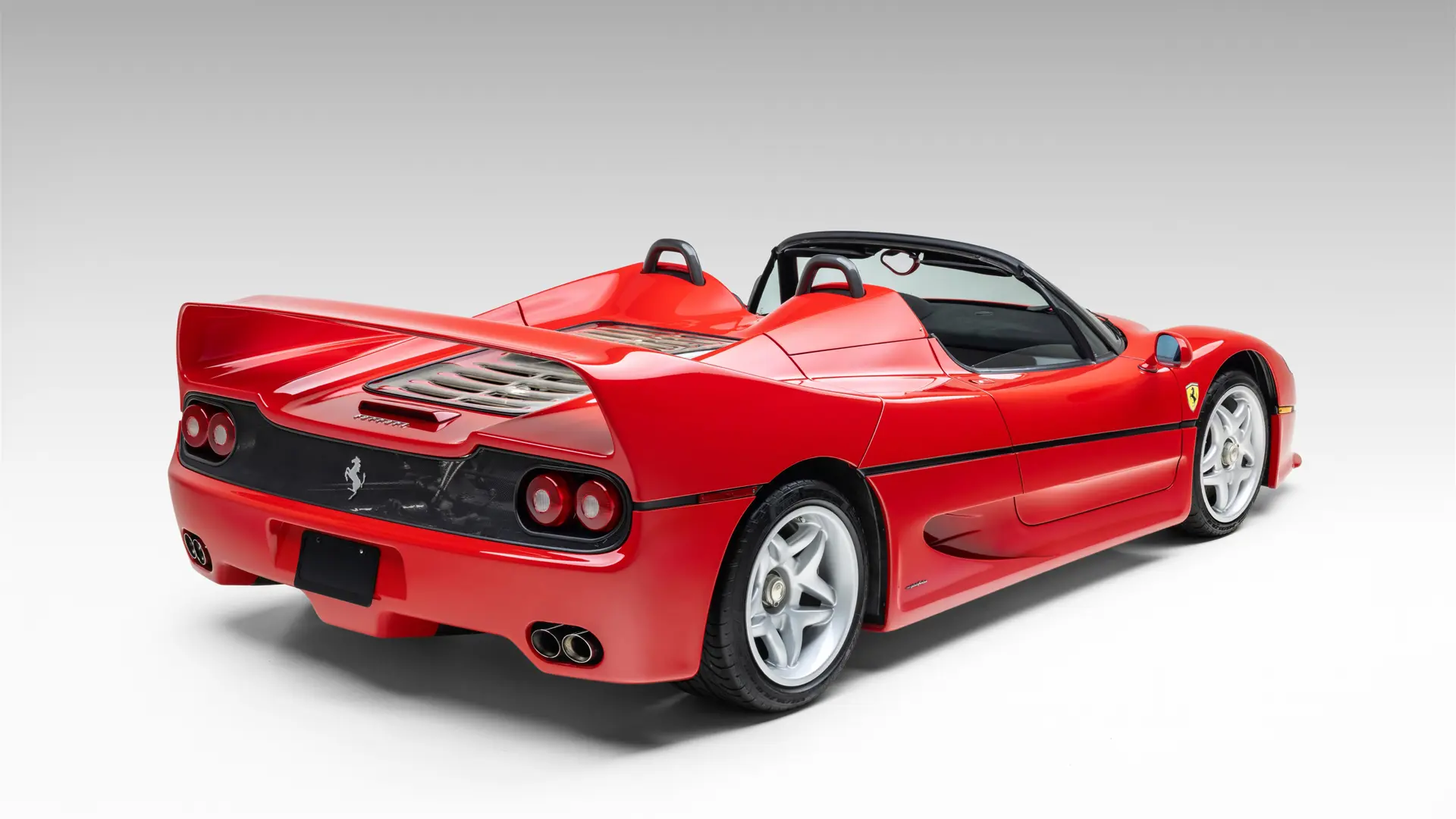
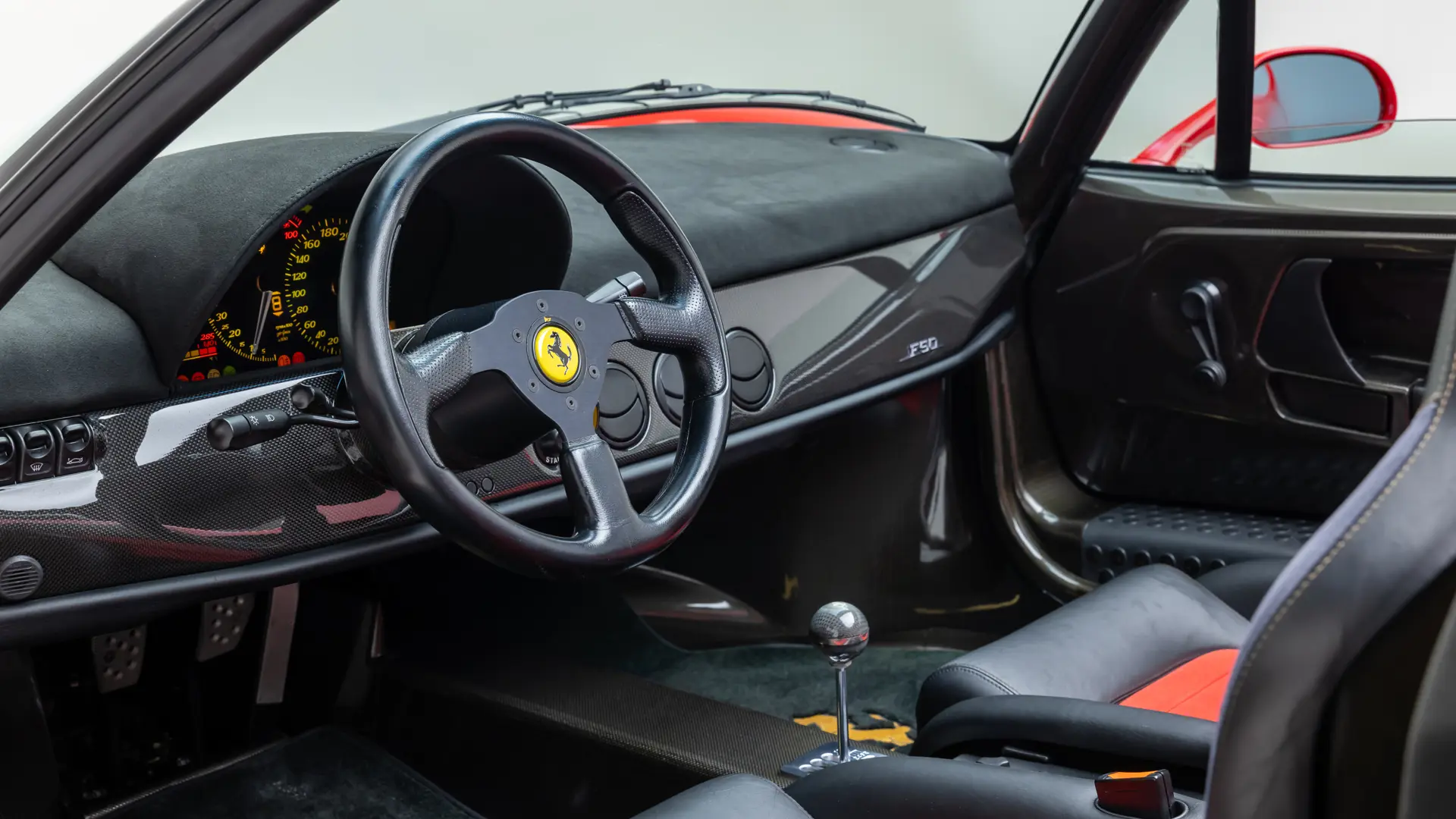
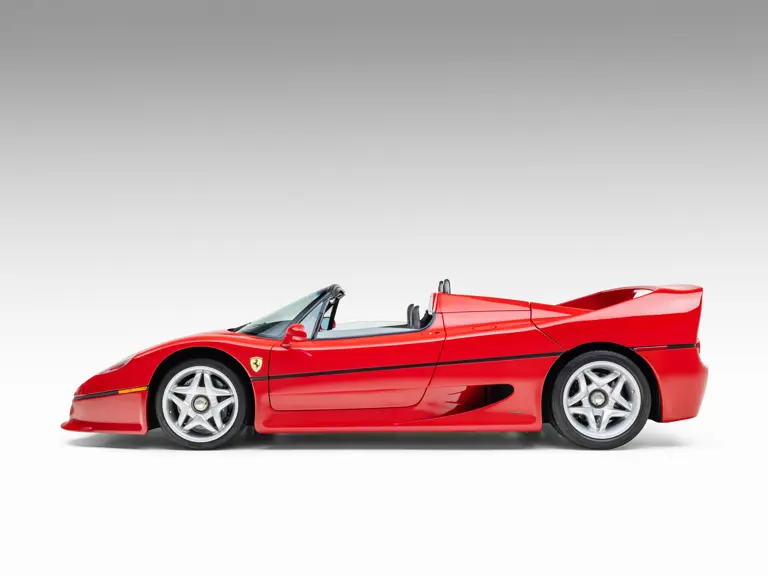
The F50 remains one of the most ideologically pure supercars Ferrari has ever built. Created to mark the marque’s 50th anniversary, it was never concerned with refinement for refinement’s sake. Its naturally aspirated V12 was derived directly from Ferrari’s Formula 1 programme, bolted to a carbon-fibre tub and wrapped in Pininfarina bodywork that prioritised function over ornament. The example offered here—one of just 349 built—retains its original Rosso Corsa over Nero specification, shows fewer than 8,200 miles, and comes complete with period-correct accessories that collectors rarely see intact today. It represents Ferrari at its most uncompromising, before electronics softened the edges.
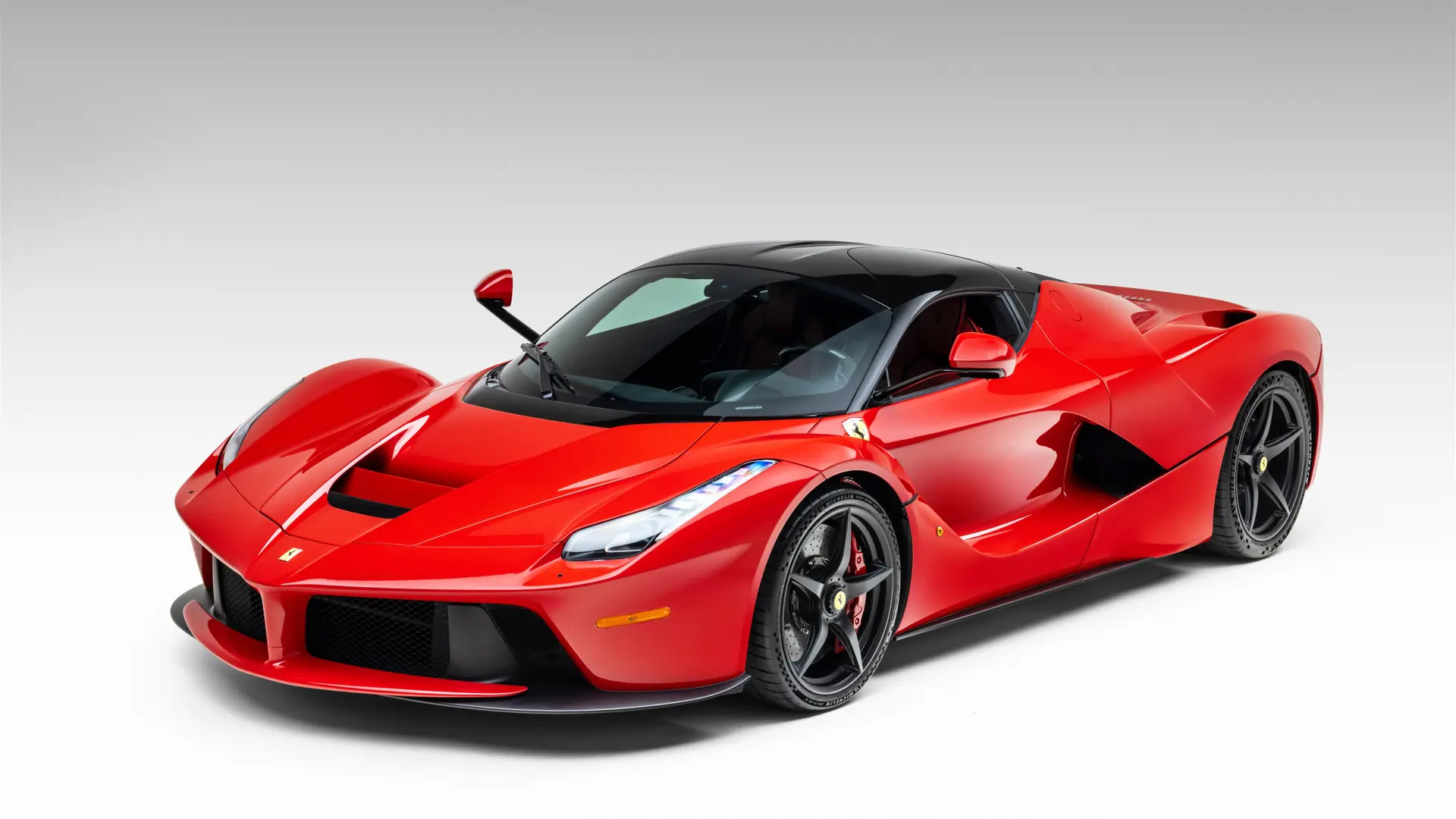
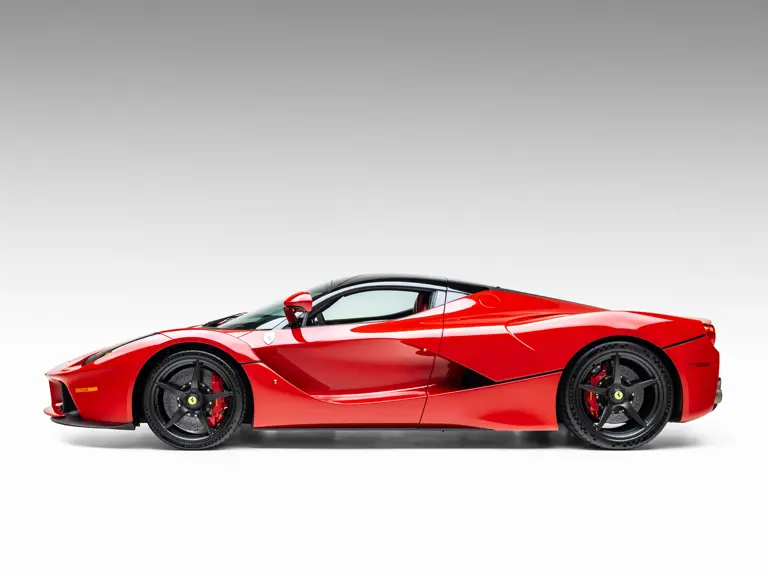
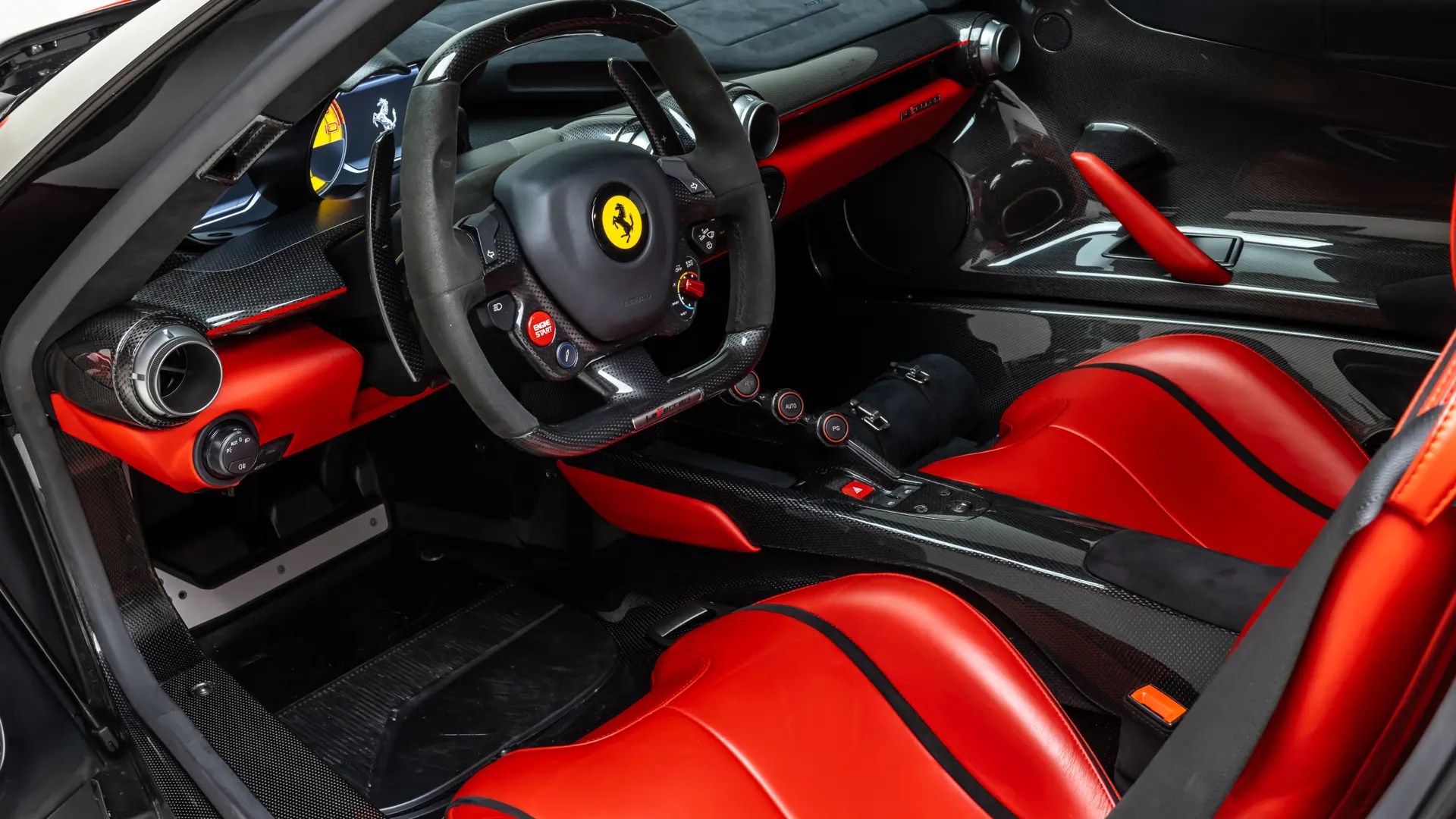
Two decades on, LaFerrari tells a very different story. Where the F50 was analogue and defiant, LaFerrari is technological and assured. Ferrari’s first hybrid hypercar fused a naturally aspirated V12 with Formula 1–derived KERS technology, producing nearly 950 horsepower and redefining what a road-going Ferrari could be in the modern era. Limited to 499 examples, it marked a moment when performance, sustainability pressures, and motorsport engineering converged. The Longhorn Collection’s LaFerrari—finished again in Rosso Corsa—has covered fewer than 2,000 miles, underscoring its status as both driving instrument and long-term asset.
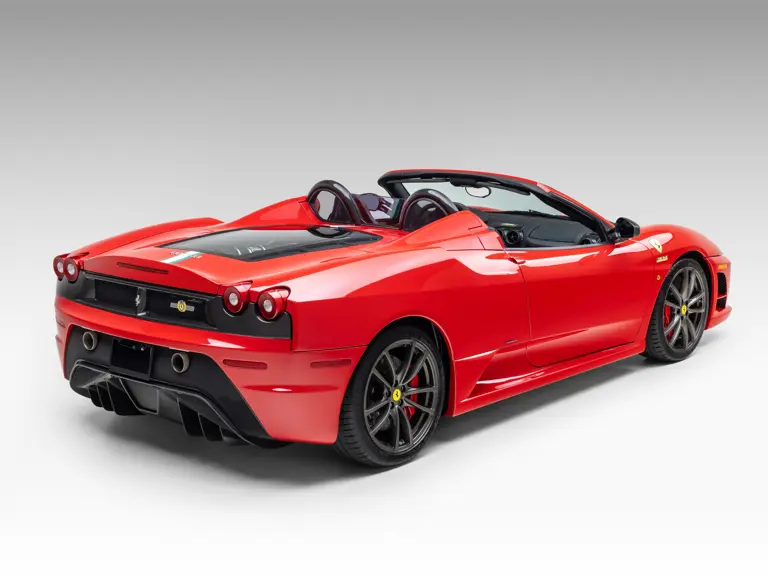
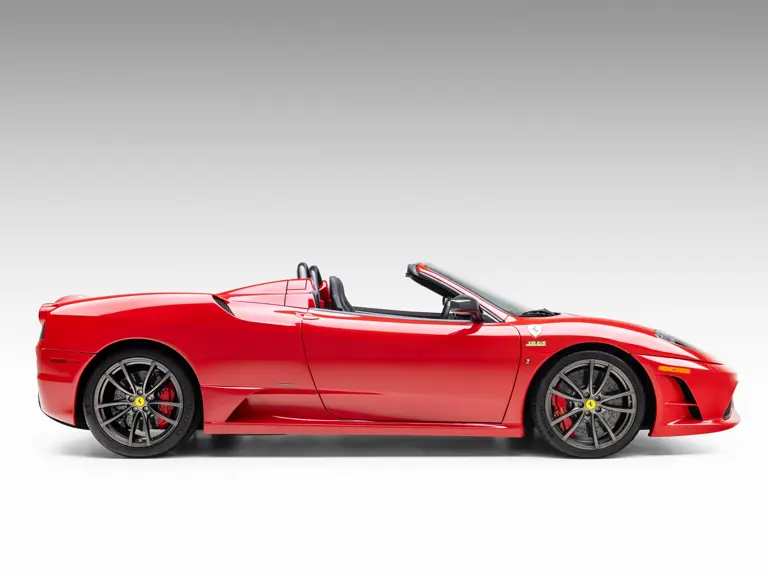
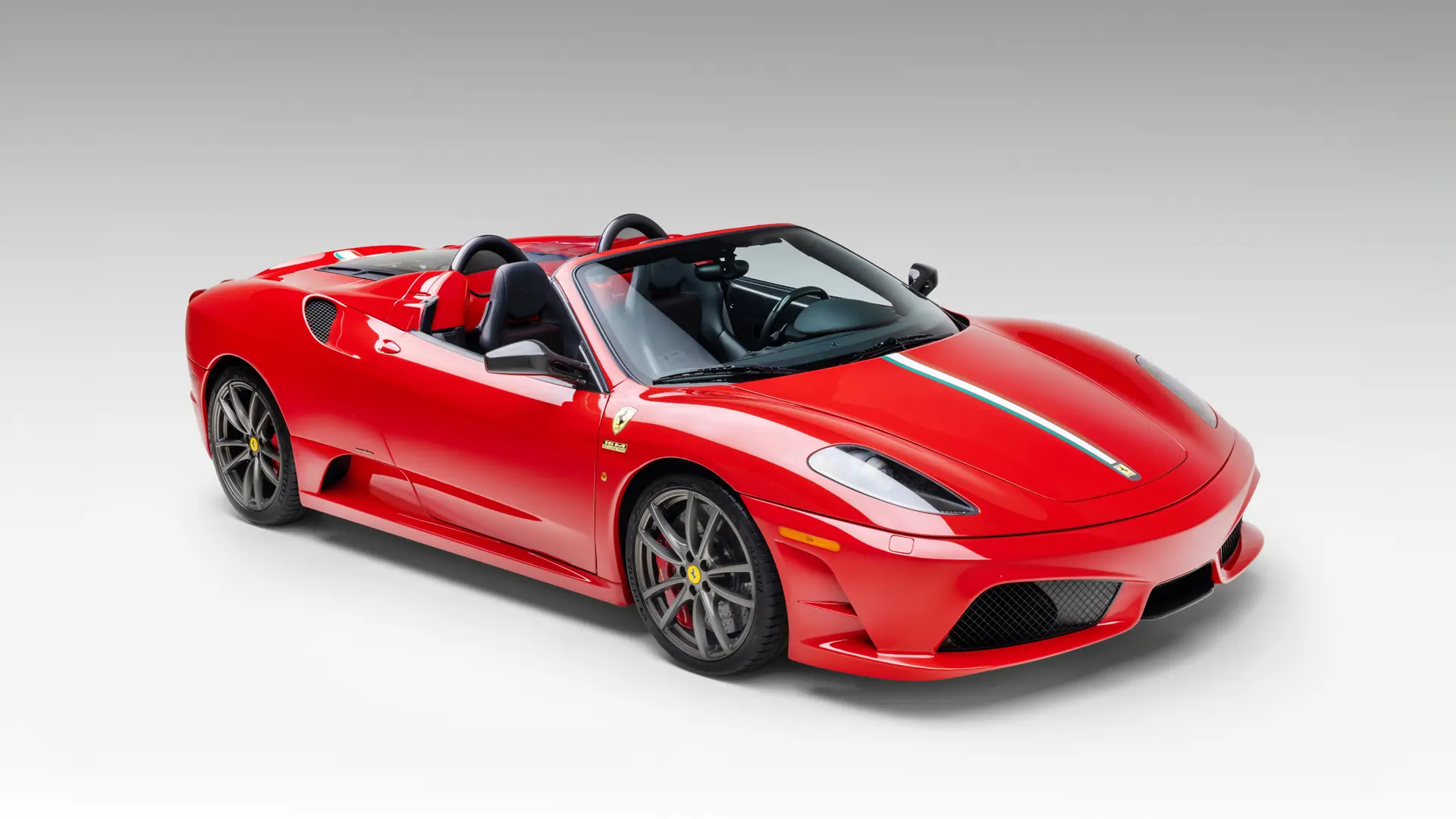
Between these two sits the 2009 Ferrari Scuderia Spider 16M, a model born directly from racing success. Created to celebrate Ferrari’s 16th Formula 1 Constructors’ Championship, the 16M distilled motorsport celebration into an open-top form. Lighter, louder, and more visceral than its standard counterparts, it bridges the gap between Ferrari’s track dominance and road-car emotion—an increasingly rare equation in today’s market.
What makes The Longhorn Collection compelling is not just the headline cars, but what they collectively signal. As Gord Duff, President of RM Sotheby’s, has noted, demand for limited-production sports cars of the 1990s and 2000s remains especially strong—and Ferrari sits unequivocally at the top of that segment. This is the generation now being reassessed not as “modern classics,” but as the last of a certain philosophy: high-revving engines, minimal intervention, and direct lineage to the track.
With nine cars spanning multiple eras—including Lamborghinis and Ferrari grand tourers—the collection reads less like a liquidation and more like a carefully considered archive. By placing it front and centre at its first auction of the year, RM Sotheby’s is making a broader point about where the collector market’s emotional gravity currently lies.
For those watching closely, Arizona will not just open the 2026 auction calendar—it will offer a real-time measure of how much Ferrari’s most mythic machines are worth, both financially and culturally, as the industry moves further into an electrified future.